
-
Watershed Cairns: Marking the Mississippi River Watershed, Oct 3 – 31
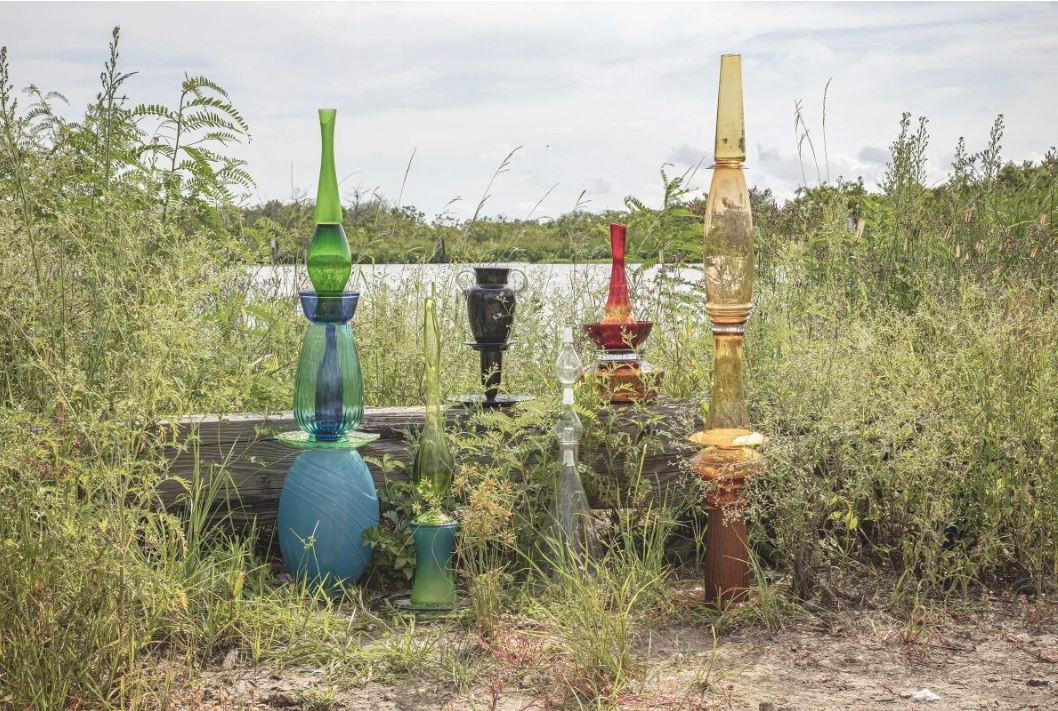
Libby Reuter (sculptor) and Joshua Rowan (photographer)
Opening : October 3, 2pm-9pm
talk by Libby Reuter at 6pm, followed by a reception
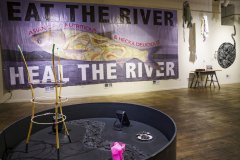
Regular hours: Saturdays, 2pm – 7pm, or by appointment during the weekWhere does your water go? Watershed Cairns artists—sculptor Libby Reuter and photographer Joshua Rowan—have spent fifteen years asking that question in the Mississippi River Watershed. Driving on gravel roads next to the rivers in a van full of repurposed glass, they stop every 30 to 50 miles. There, Reuter assembles a site-specific glass cairn sculpture, inspired by the stones that hikers stack to mark a significant place. Then, Rowan captures light and landscape in a photograph, and the cairn is repacked before they move to the next site. In this way, they have marked over four-hundred-fifty places where fresh water meets the land on its way to the Gulf of Mexico. Four hundred pins on the watershedcairns.com interactive map mark the exact location where each cairn was photographed and highlight the interconnected river system providing drinking water and irrigation for 41 percent of the continental United States.
A few of Watershed Cairns’ luminous large-scale photographs from the Mississippi, Missouri, Ohio, Illinois, and Arkansas Rivers and glass cairn sculptures will be on exhibit Watershed Art and Ecology during October 2026.
The Artists
Libby Reuter is a sculptor, public artist, and water advocate based in Alton, Illinois. She was associate dean at Washington University School of Art (now the Sam Fox School of Design and Art) in St. Louis, Missouri. Then she served as executive director/curator of the William and Florence Schmidt Art Center at Southwestern Illinois College, in Belleville, Illinois until her retirement.
Joshua Rowan is a landscape photographer, illustrator, painter, and co-publisher of Black Dagger Books, Spire and Scribe, and Luminus Books, featuring the fine art work by international tattoo and figurative artists. He lives in rural Southern Illinois. A one-person exhibit of his paintings was held at the Hise Museum at Southeastern Illinois College, Harrisburg, Illinois in 2026.
Reuter and Rowan began Watershed Cairns in 2011. The work has been exhibited at the Missouri History Museum, St. Louis, Missouri; Cedarhurst Center for the Arts, Mt. Vernon, Illinois; the Minnesota Marine Arts Museum, Winona, Minnesota; the National Great Rivers Museum, Alton, Illinois; the Dubuque (Iowa) Museum of Art; and numerous St. Louis area galleries.
Previous shows, lectures, screenings and events
-
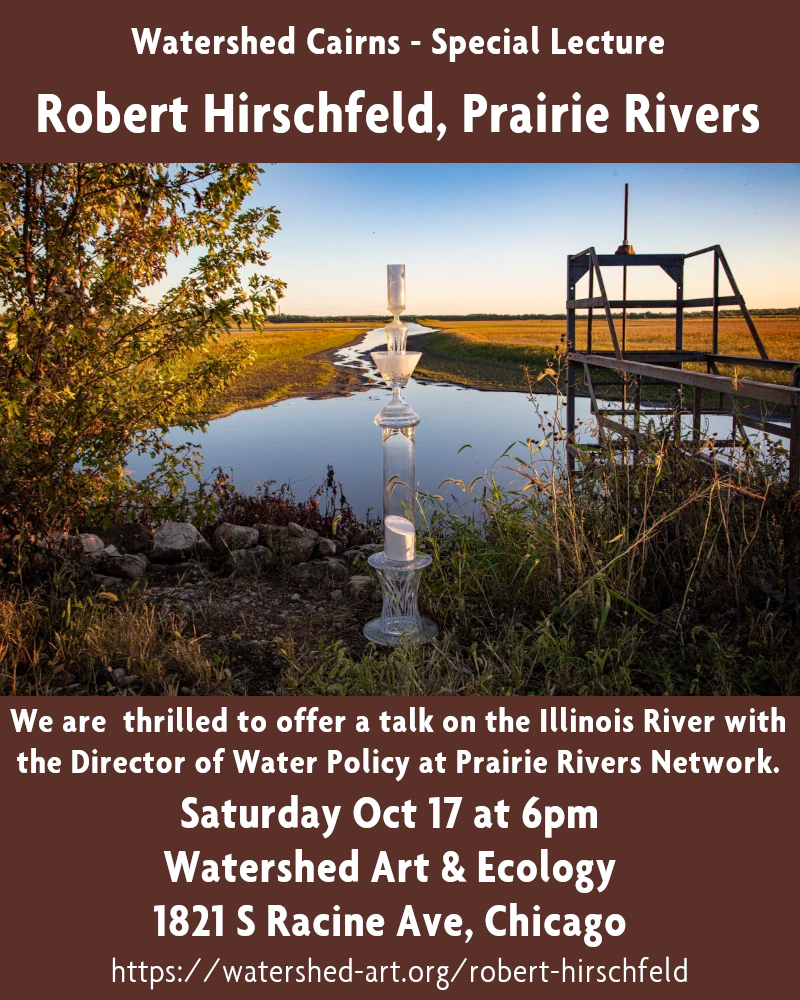
Lecture by Robert Hirschfeld, Oct 17, 6pm
-
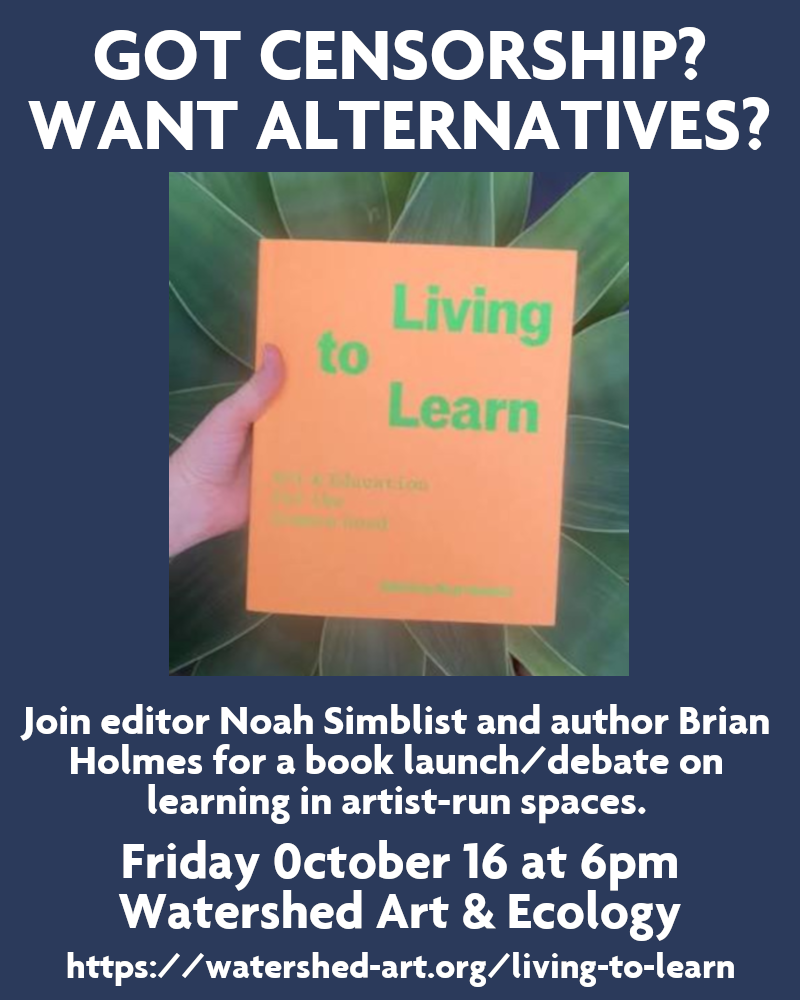
“Living to Learn”: Book Launch, Oct 16, 6pm
-
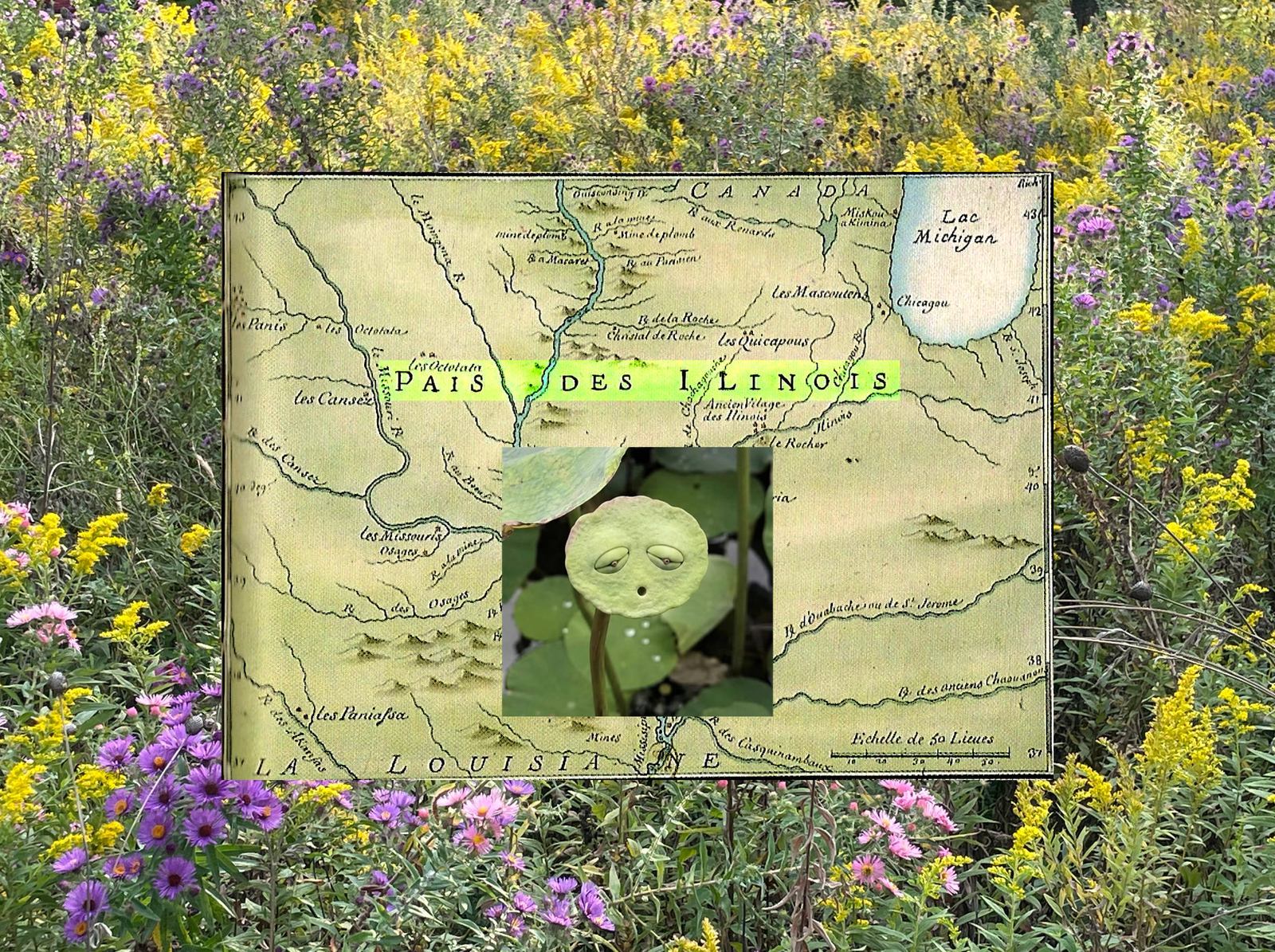
“Territorial Practices: A Conversation”: Monday Oct 5, 5-7pm
-
Video night: Living Museum of Watersheds, 7pm, Sept 23
-
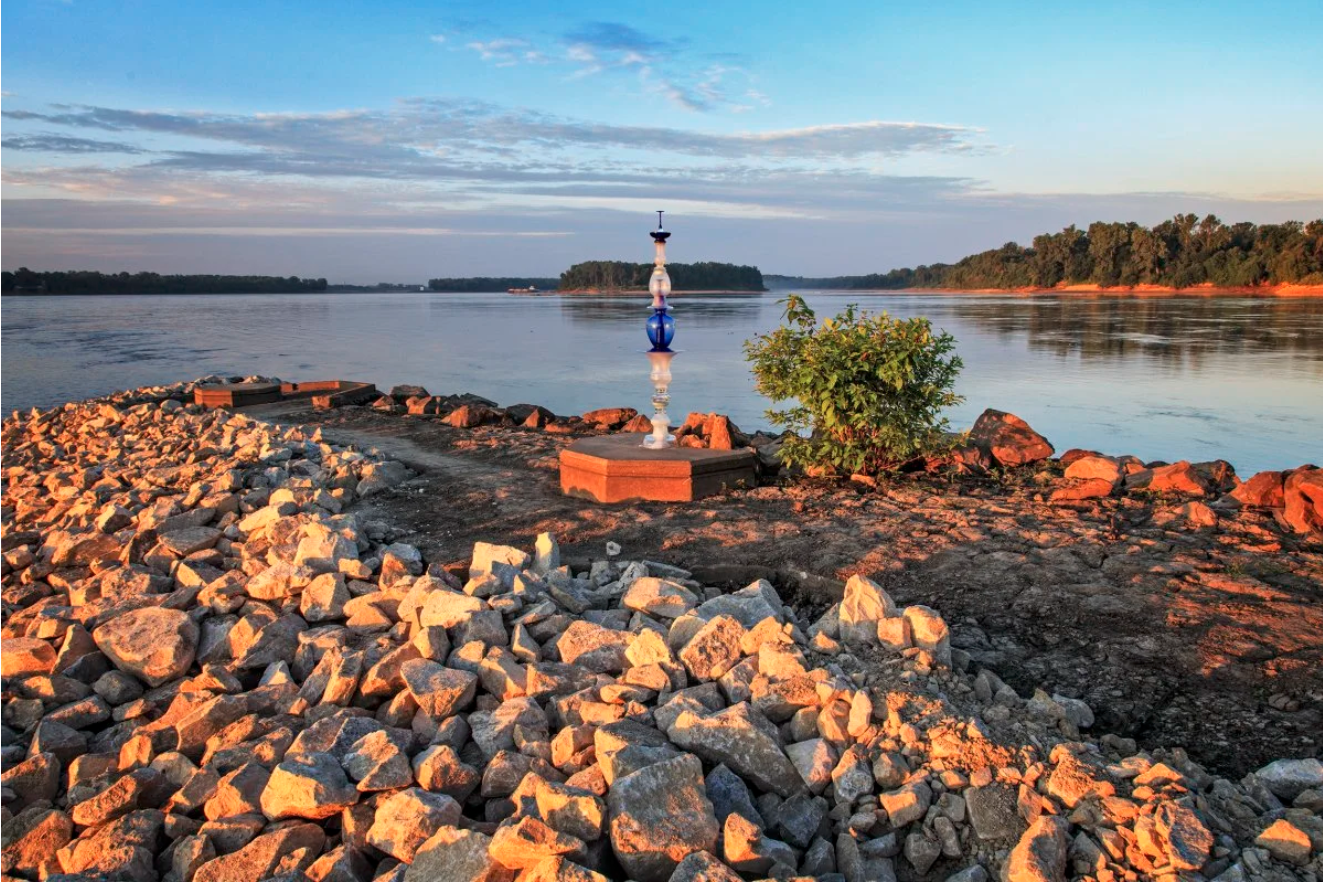
Journey to the Mississippi, August 21-23
-
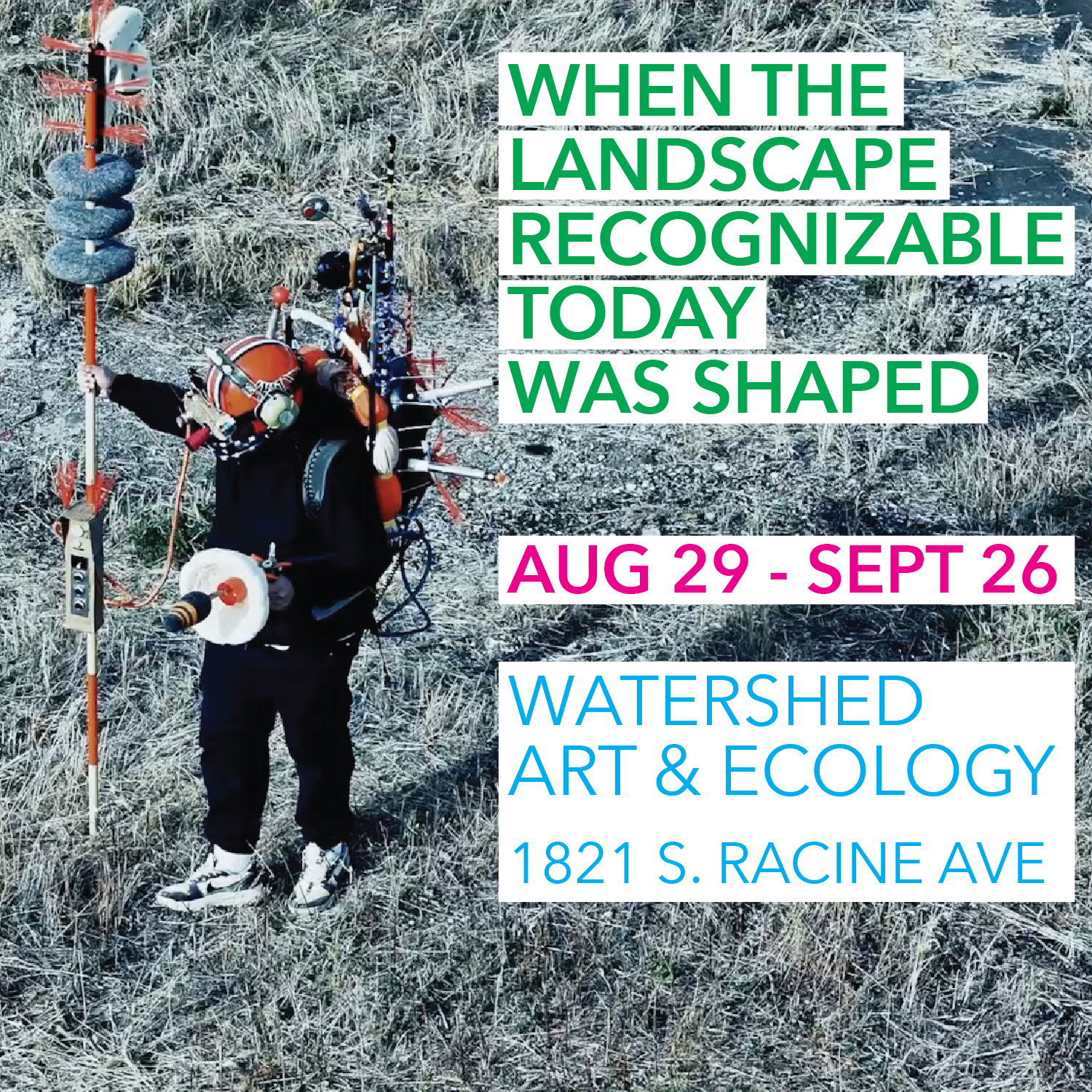
When the Landscape Recognizable Today was Shaped, Aug 29 – Sept 26
-
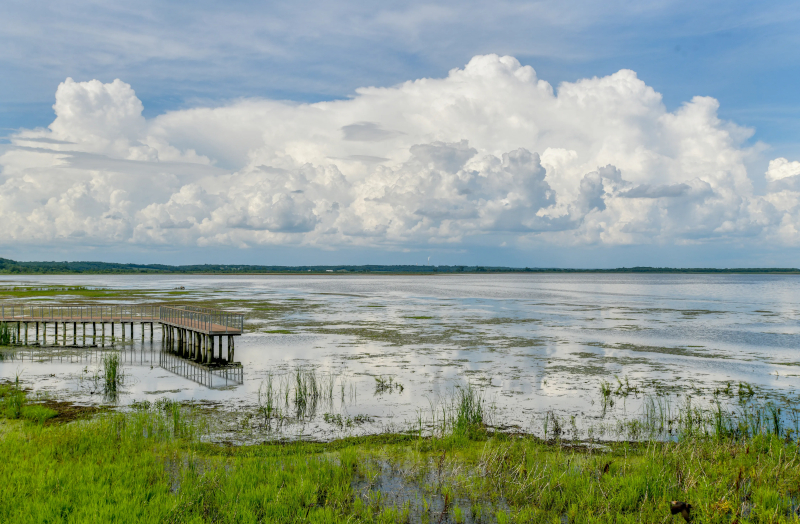
A Weekend with a Wetland, June 12-14
-
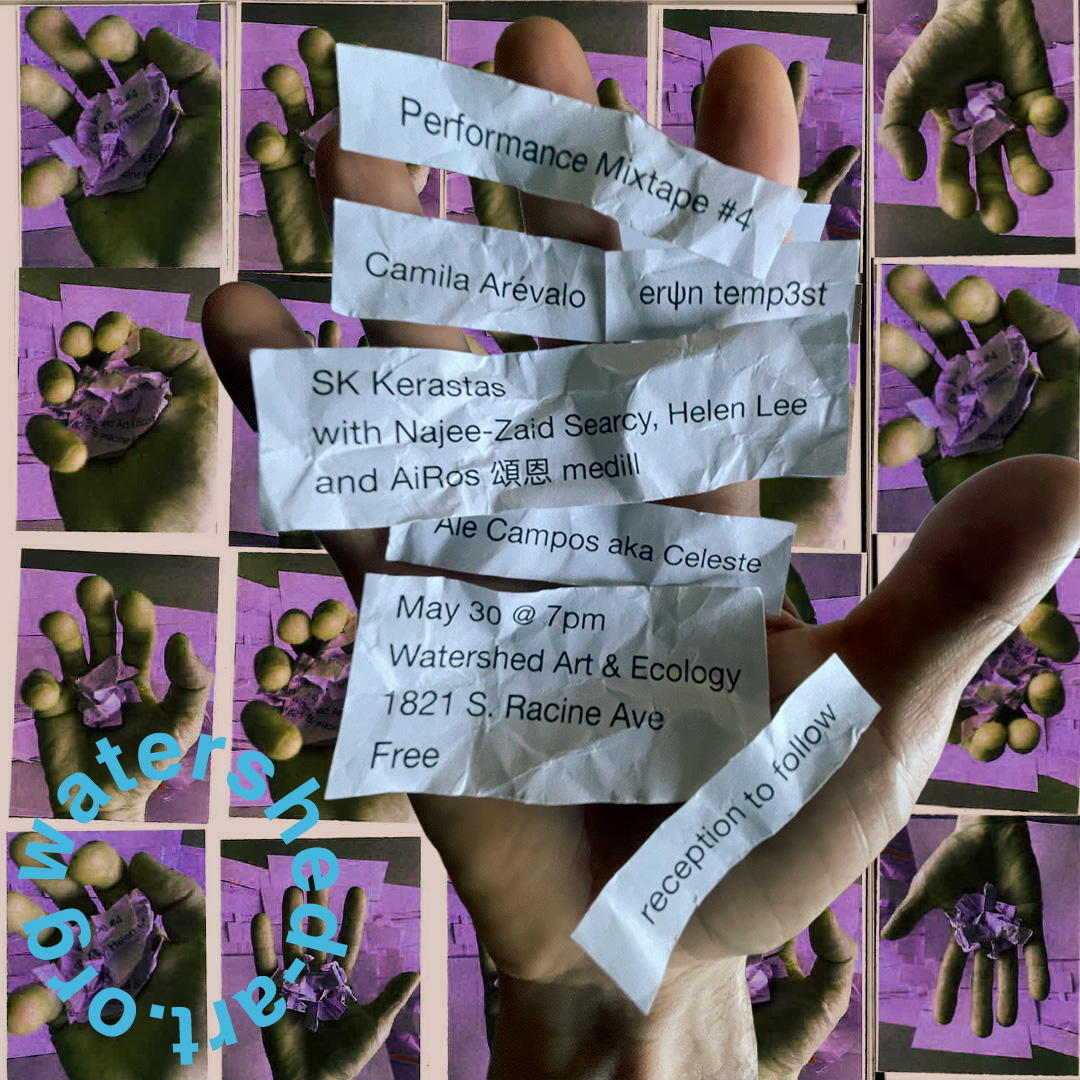
PERFORMANCE MIXTAPE #4, Sat, May 30, 7pm
-
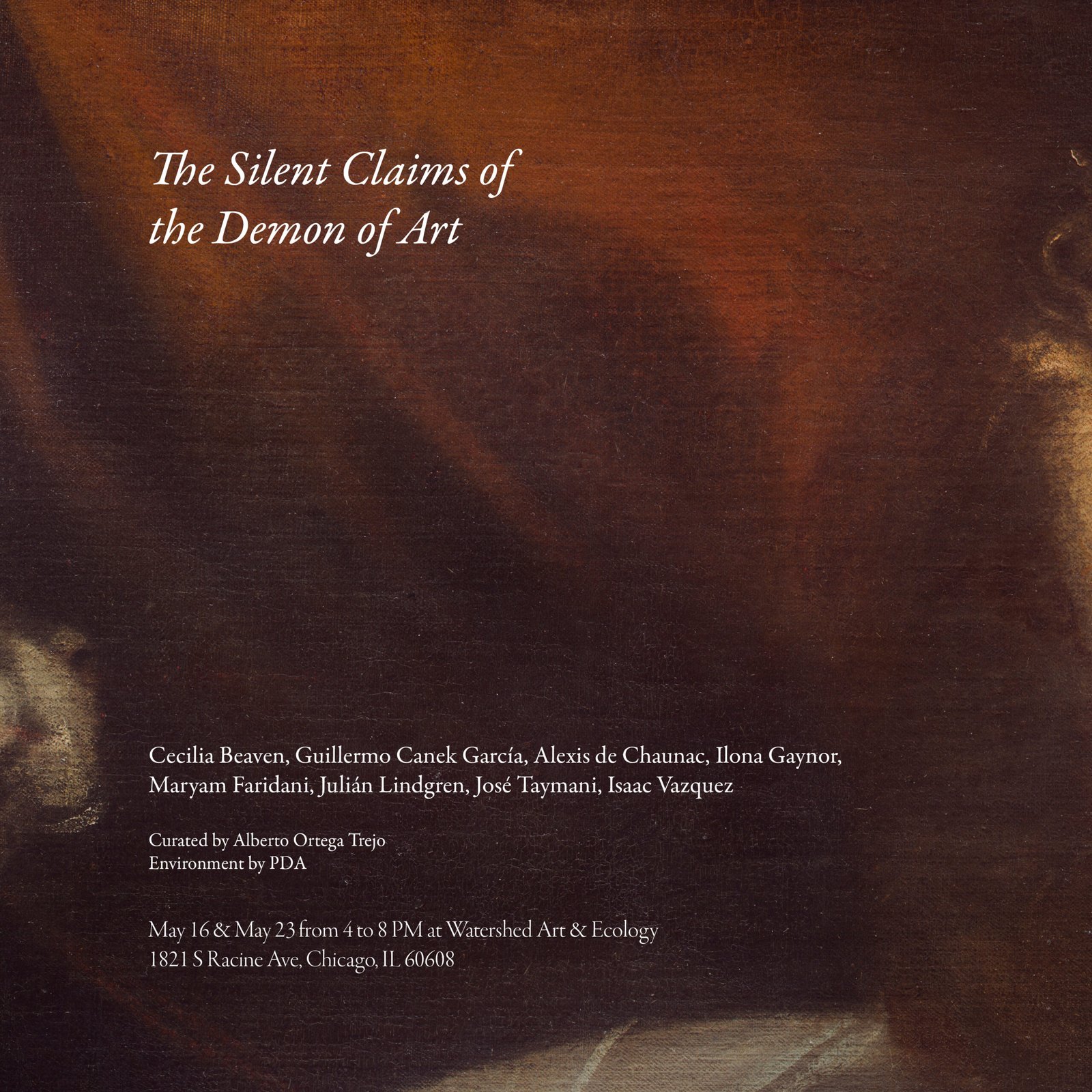
The Silent Claims of the Demon of Art: May 16 and 23 only
-
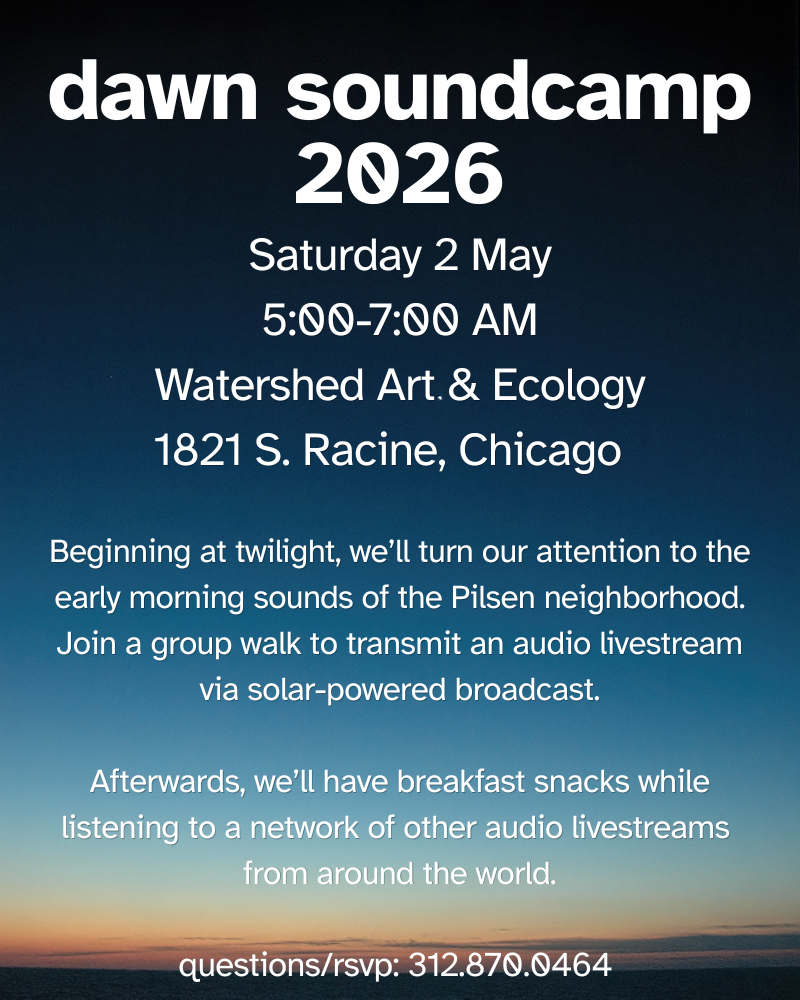
Fereshteh Toosi: Dawn Soundcamp 2026, May 2, 5 AM!
-
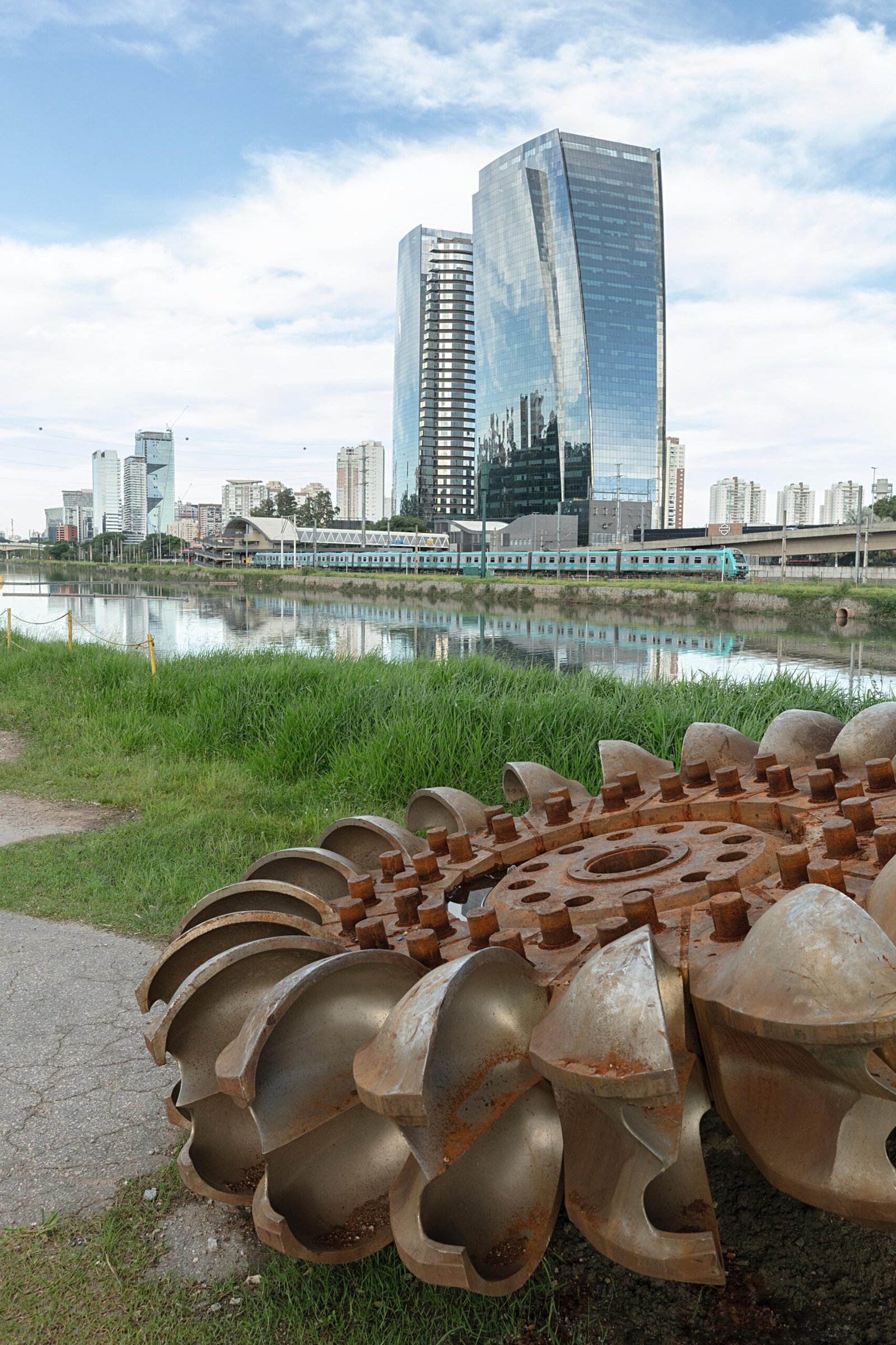
Lecture by Daniel de Paula: Mãe (2025), Saturday, April 11, 5pm
-
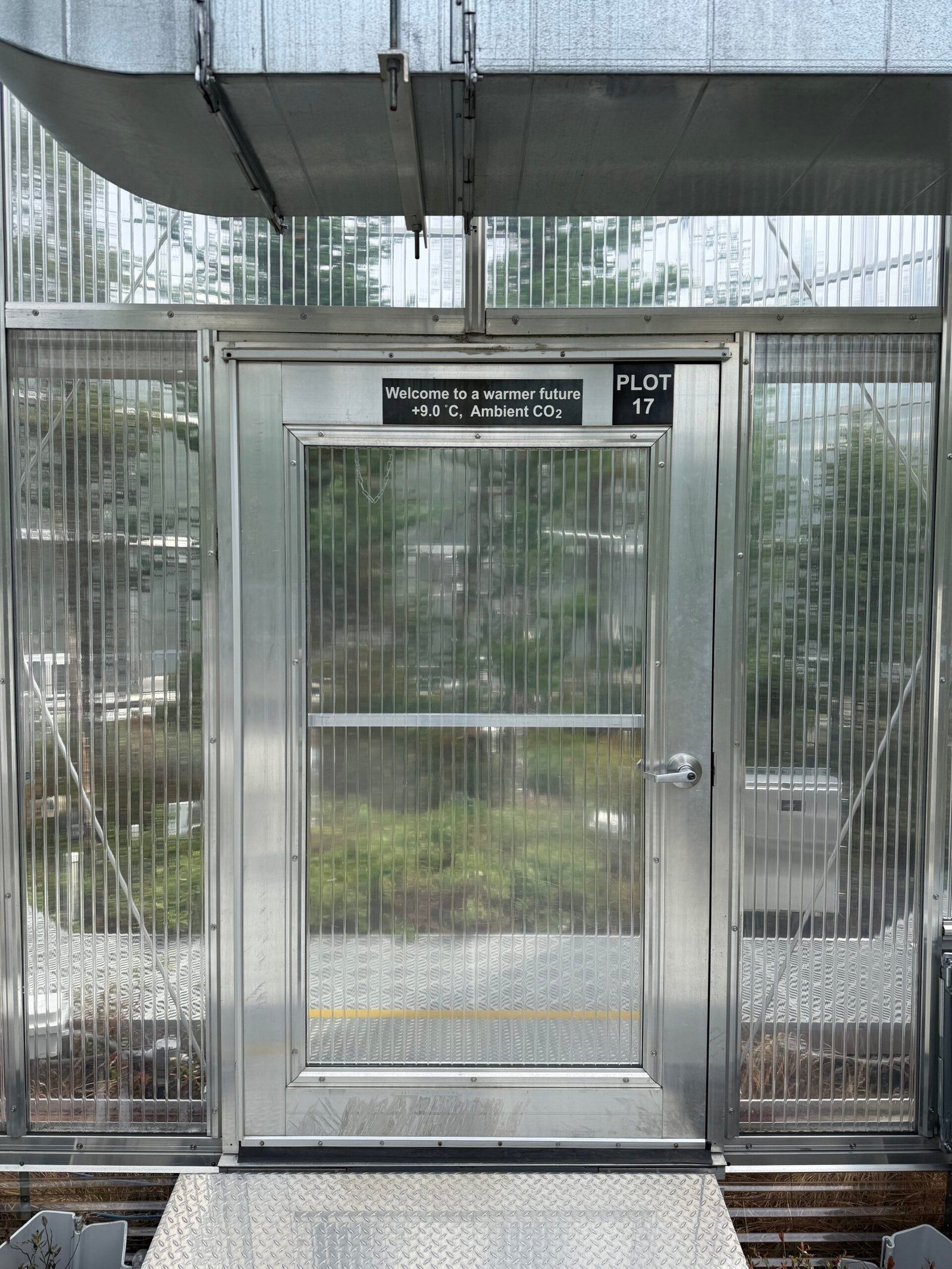
Steve Rowell: “NATURAL STATE”, Friday, March 13 – Saturday, April 4
-
Live performance: “CETACEAN” Feb. 12 & 13, 7pm
-
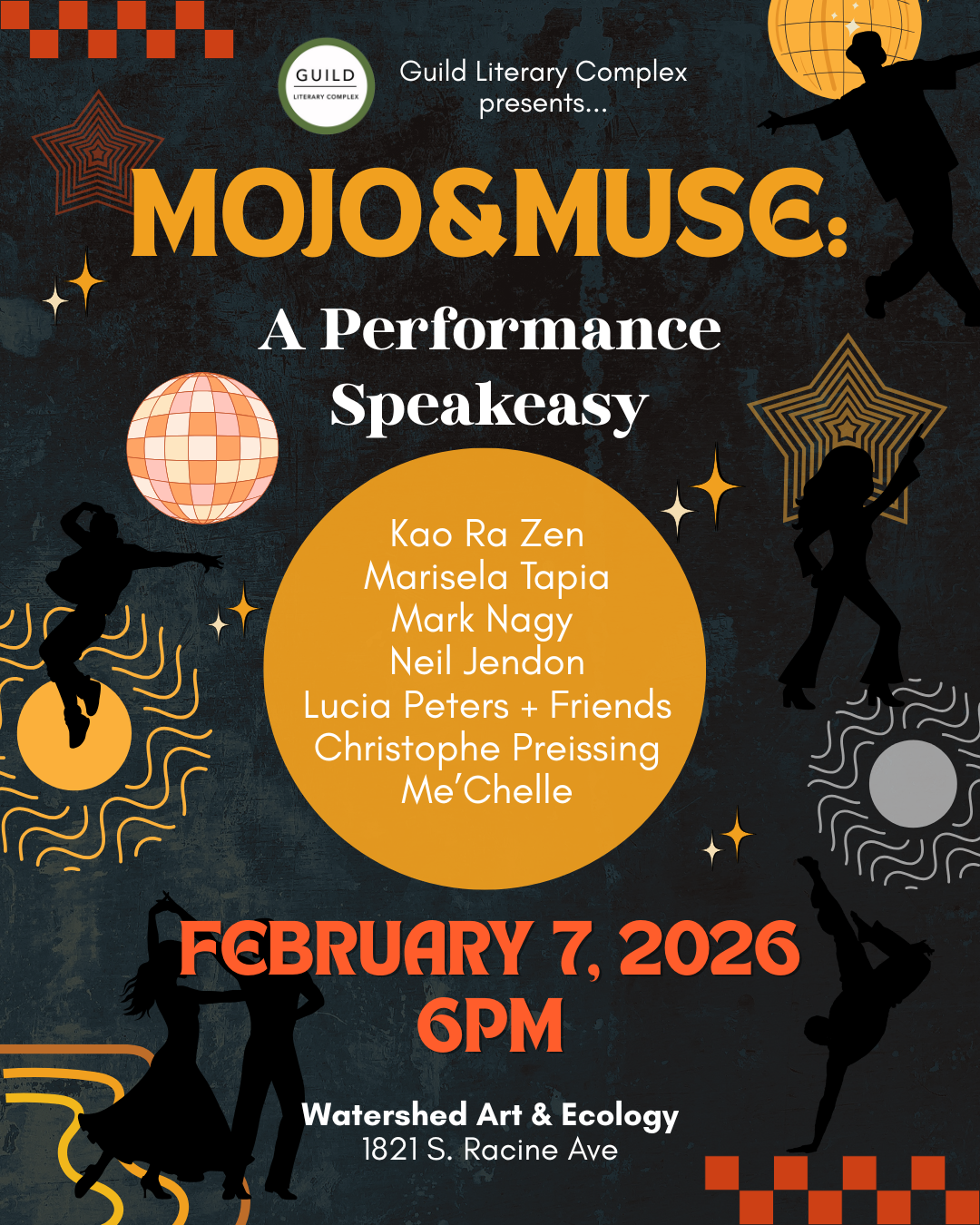
Guild Literary Complex presents: “Mojo&Muse,” Feb. 7, 6pm
-
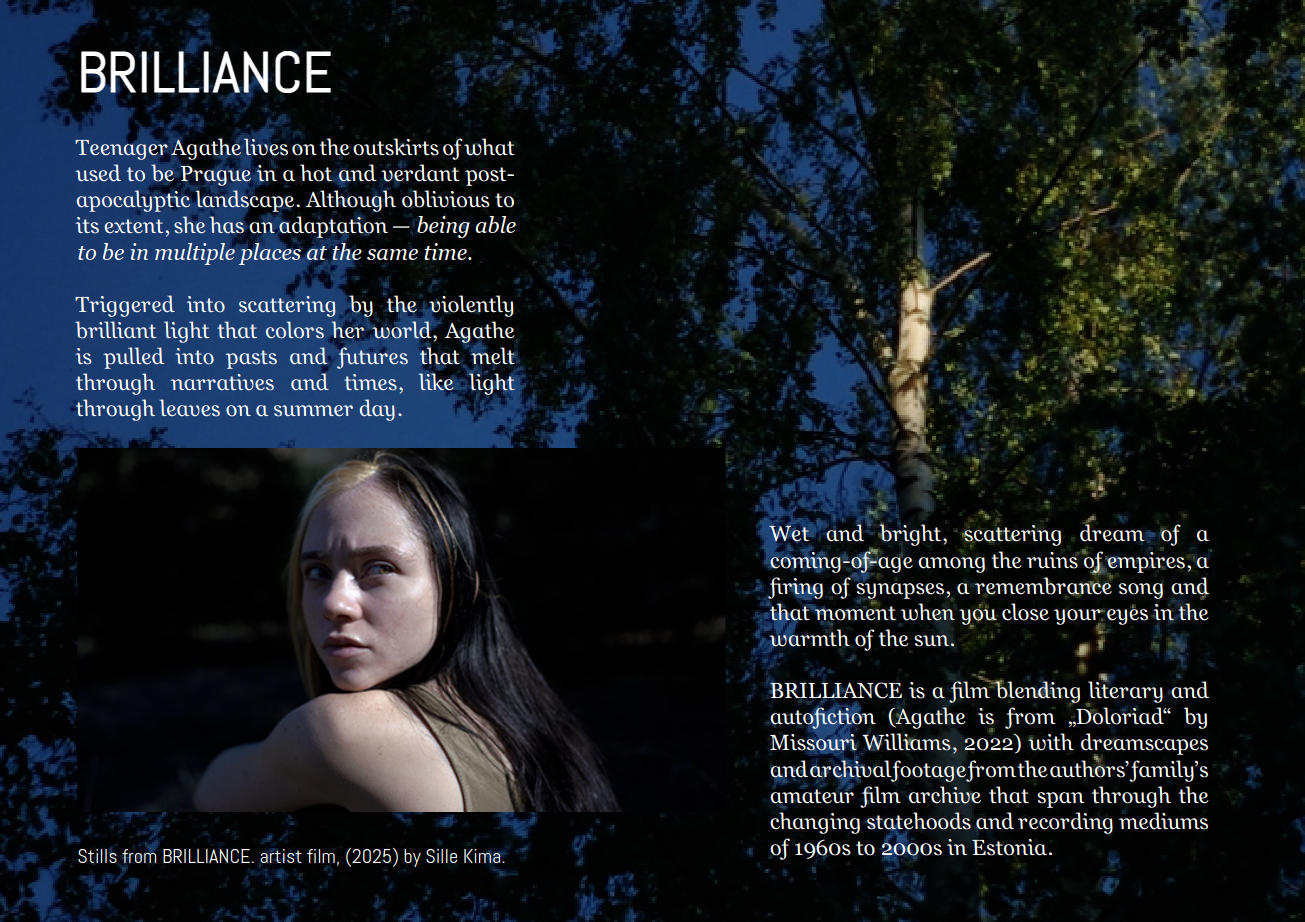
Screening: Sille Kima, “Brilliance” (25′ 9″), January 11, 6 pm
-
Chang-Ching Su: “Jigging Green” | Rhett Tsai: “Luring Bad,” Jan. 10-31
-
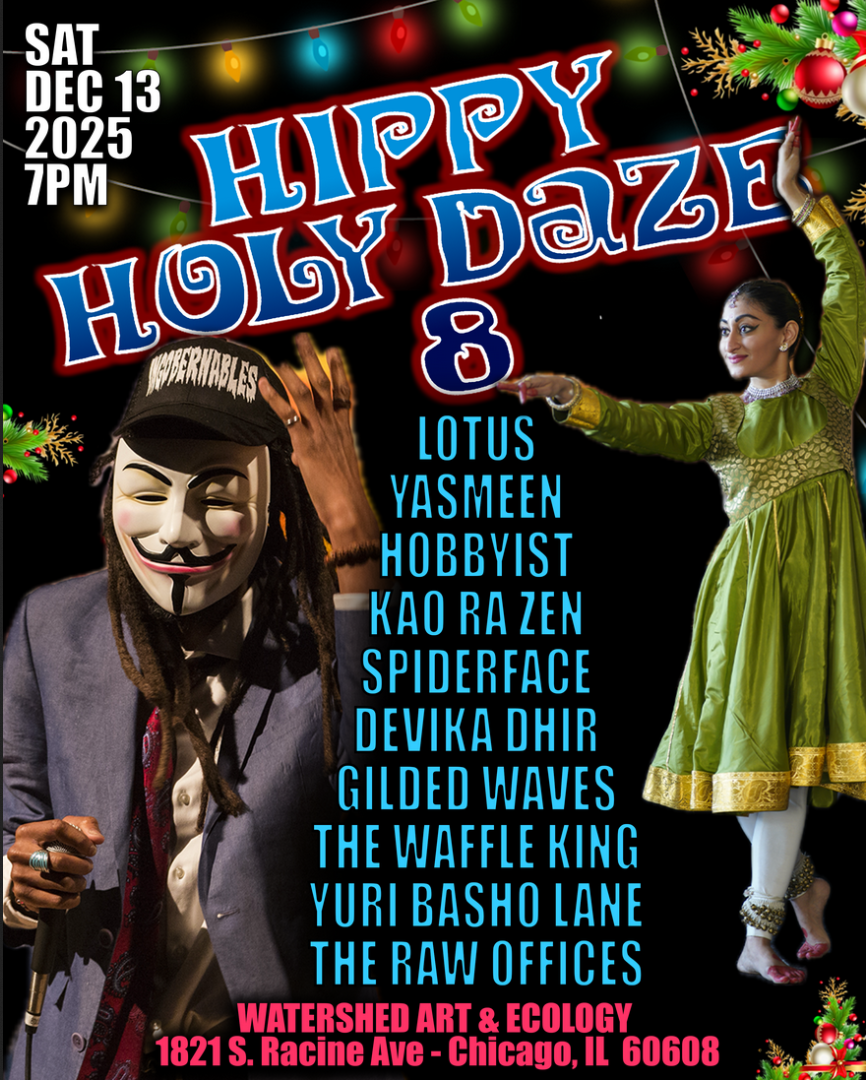
Kao Ra Zen, “Hippy Holy Daze #8,” Dec 13
-
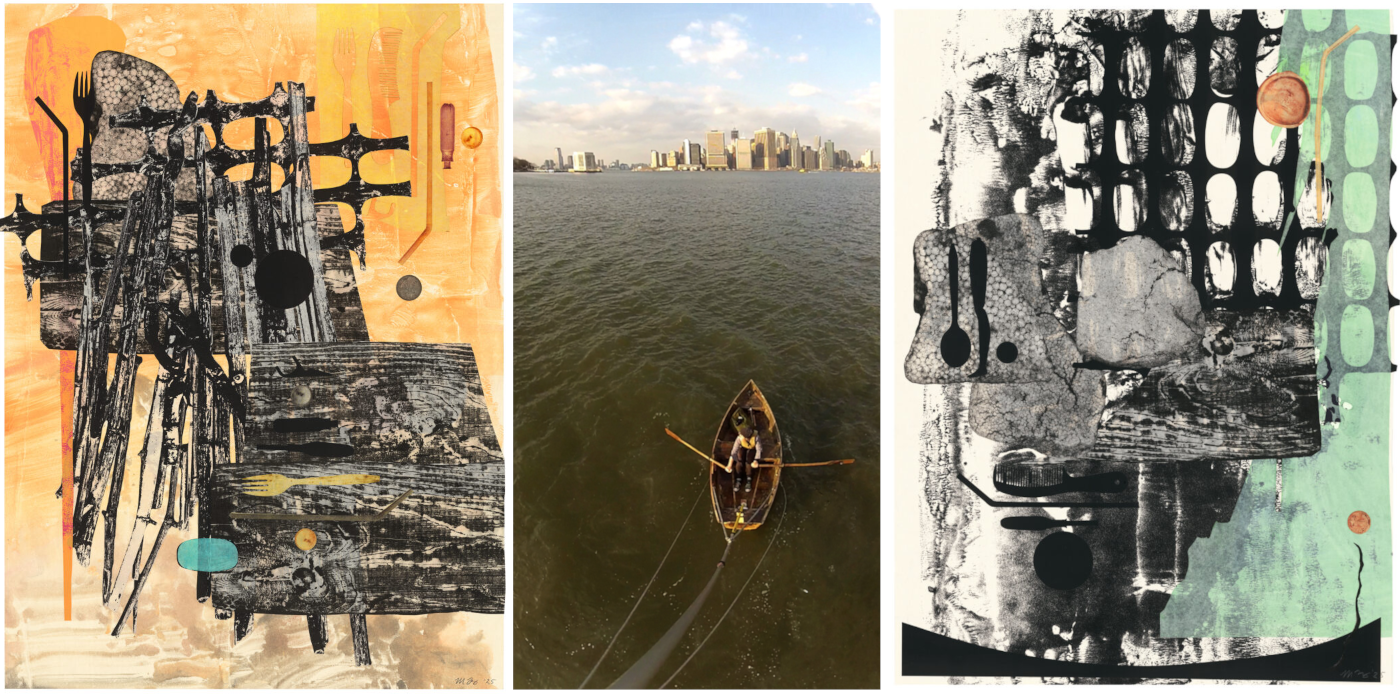
Marie Lorenz: “Undertow,” Nov 8 – Dec 6, 2025
-
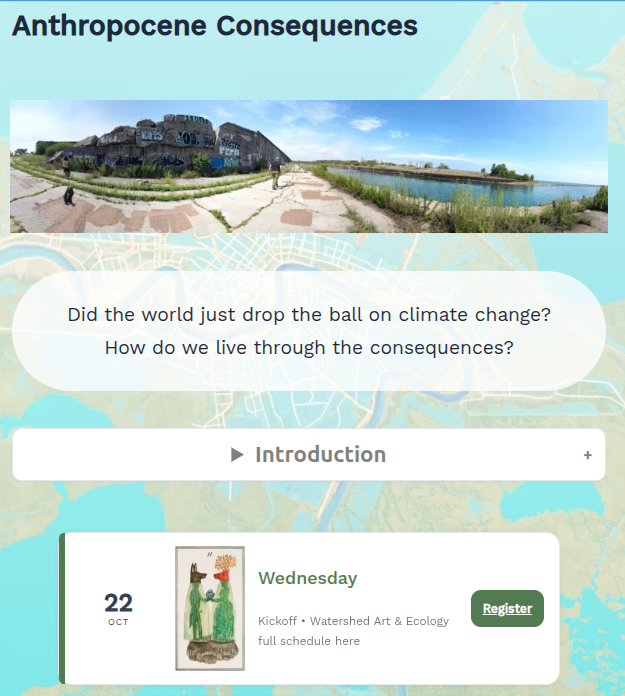
Anthropocene Campus Chicago, Oct. 22-26
-
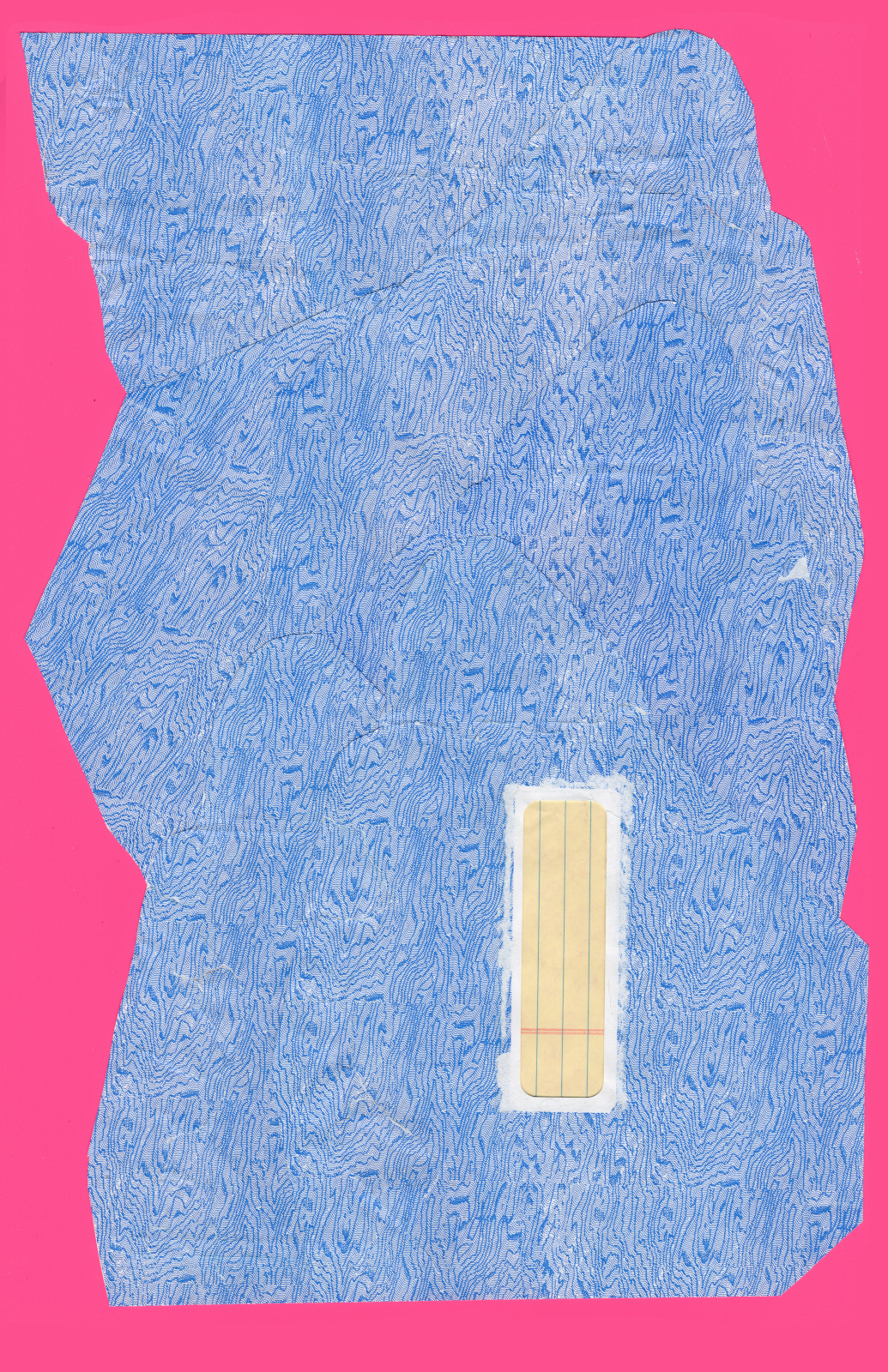
Ro(b)//ert Lundberg: “by-passing-upon,” October 10-12
-
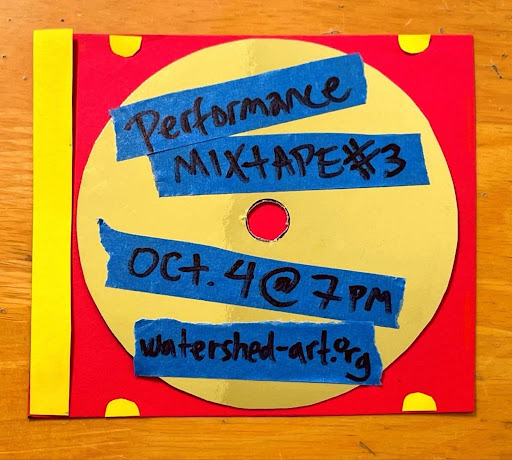
PERFORMANCE MIXTAPE #3, Sat, Oct 4, 7pm
-
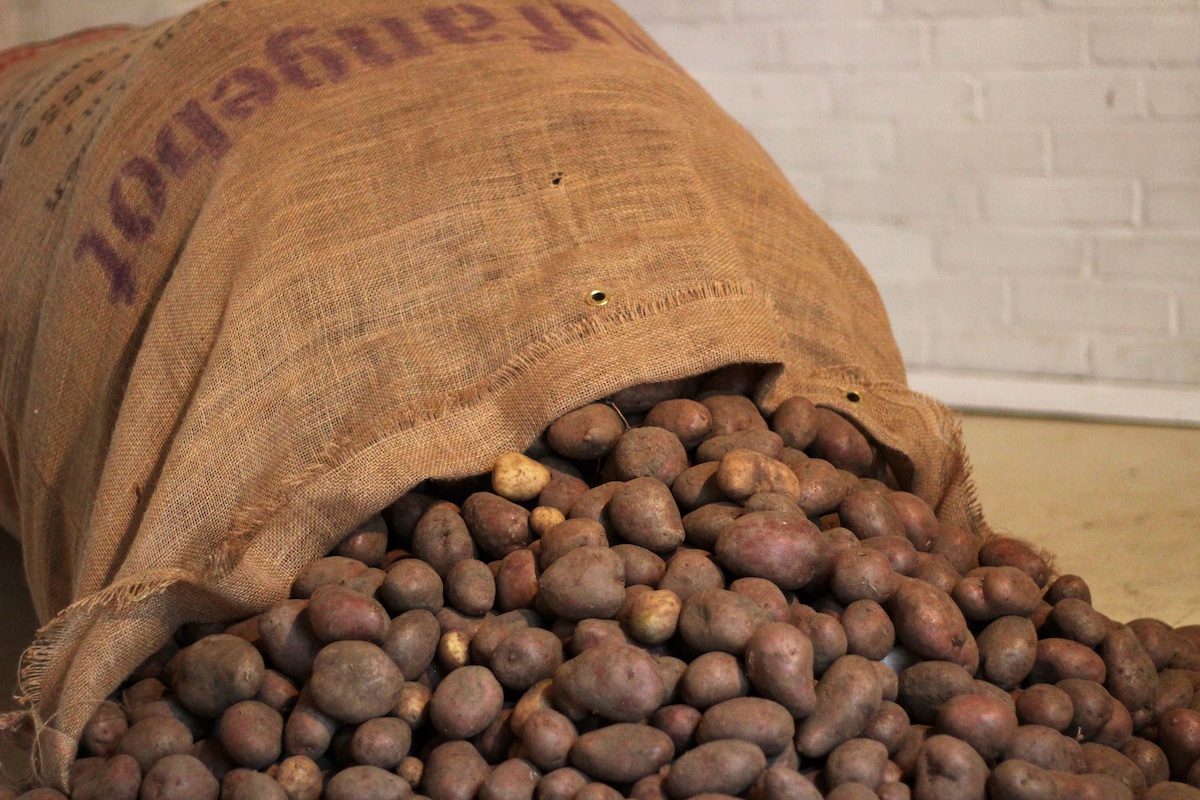
Marina Resende: “Ground Value,” September 4-8
-
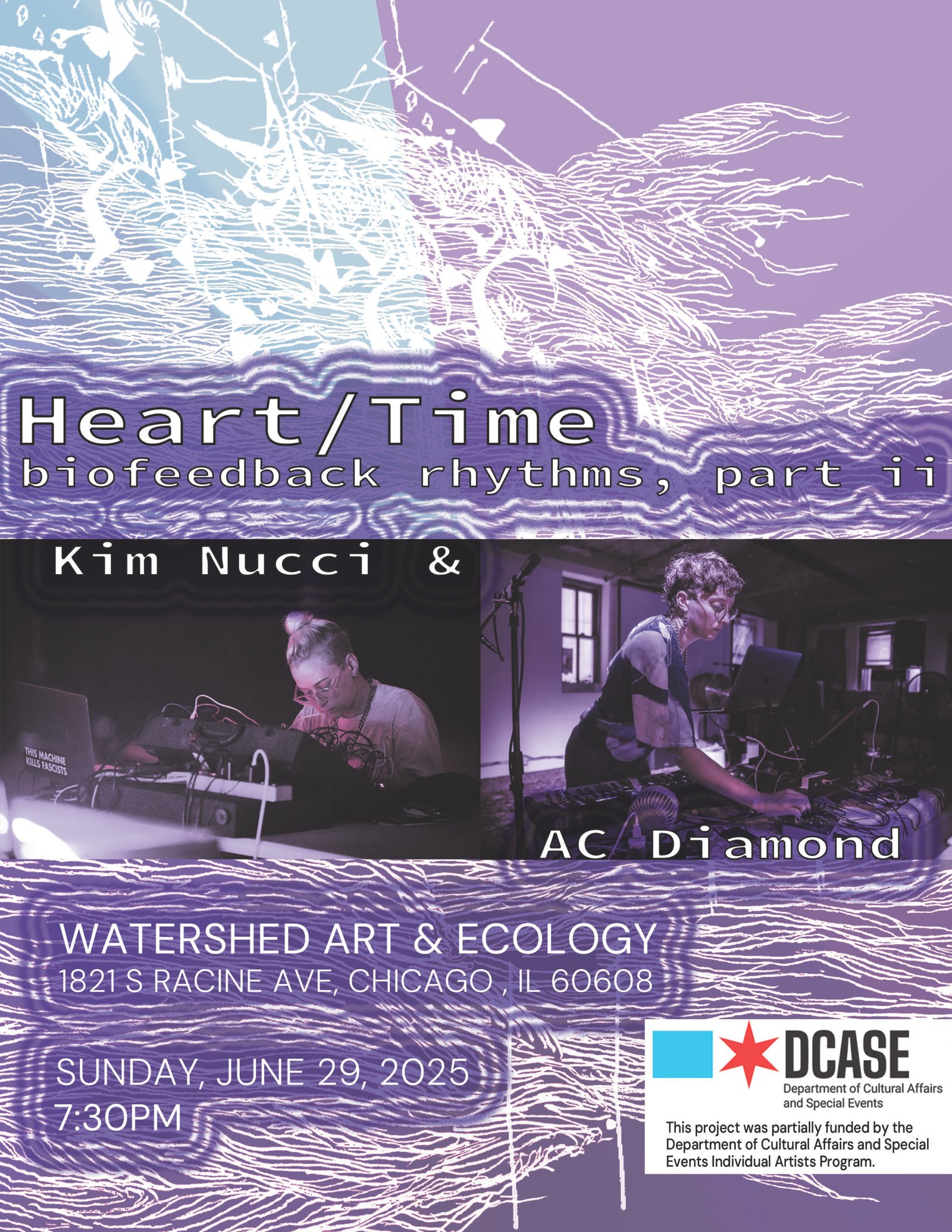
Kim Nucci and AC Diamond: “Heart/Time,” Sunday, 7:30pm
-
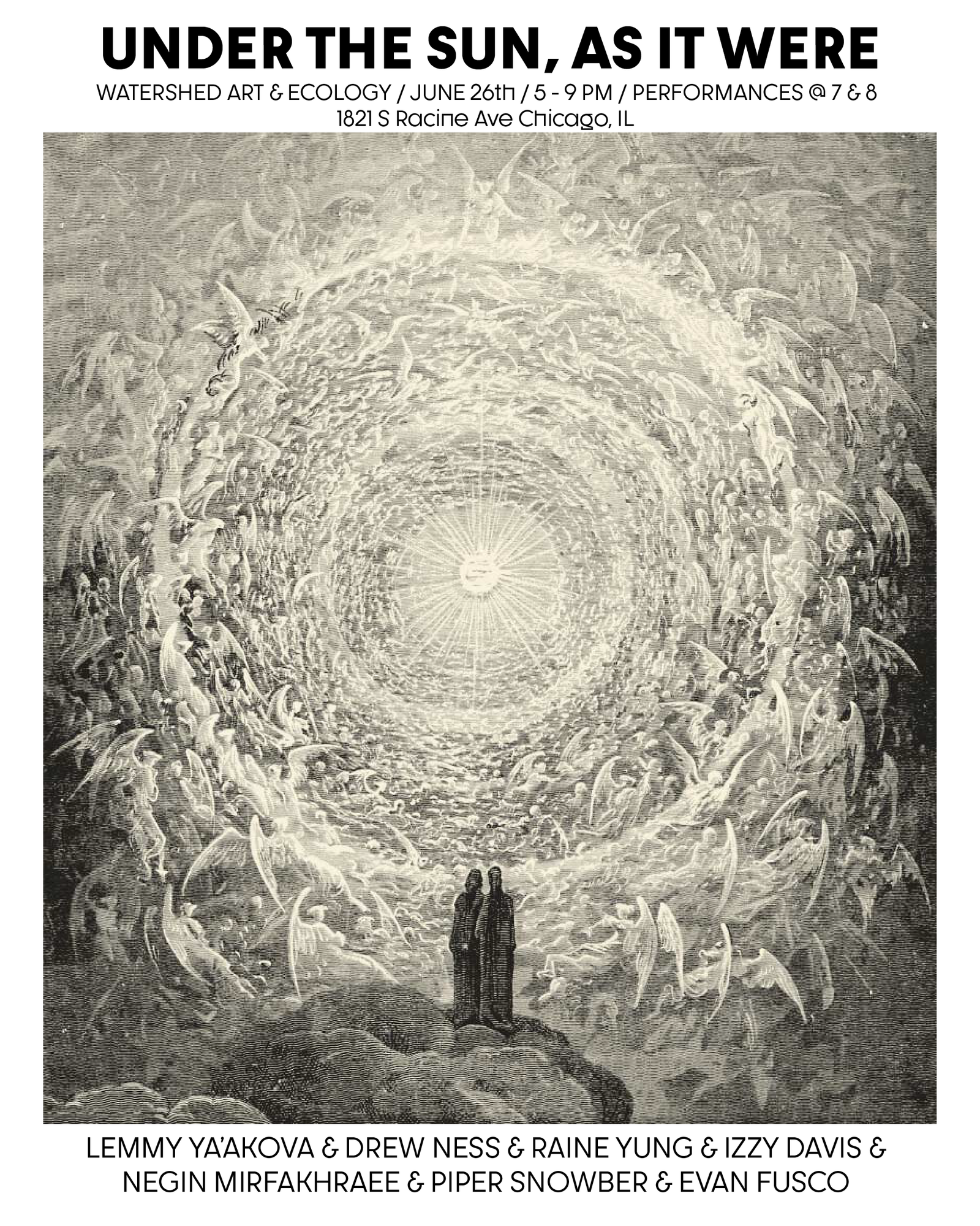
Under the Sun, As it Were – Thursday June 26, 5-9pm
-
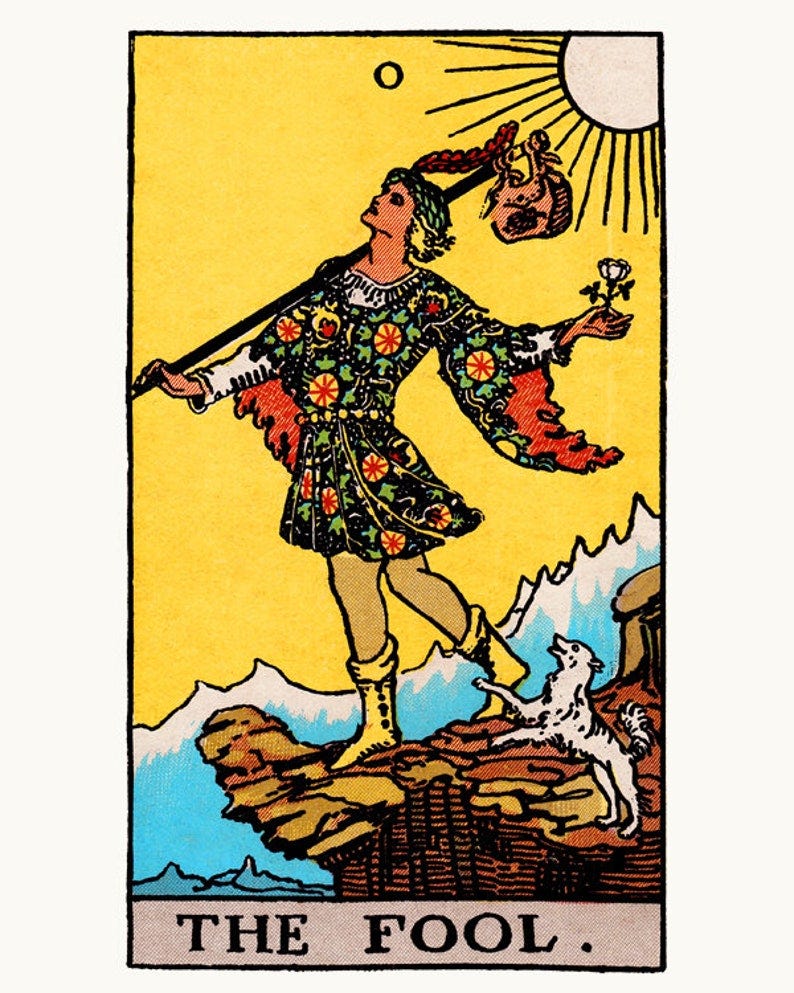
Tarot and Mermaids, June 20, readings 6:30 to 8:30
-
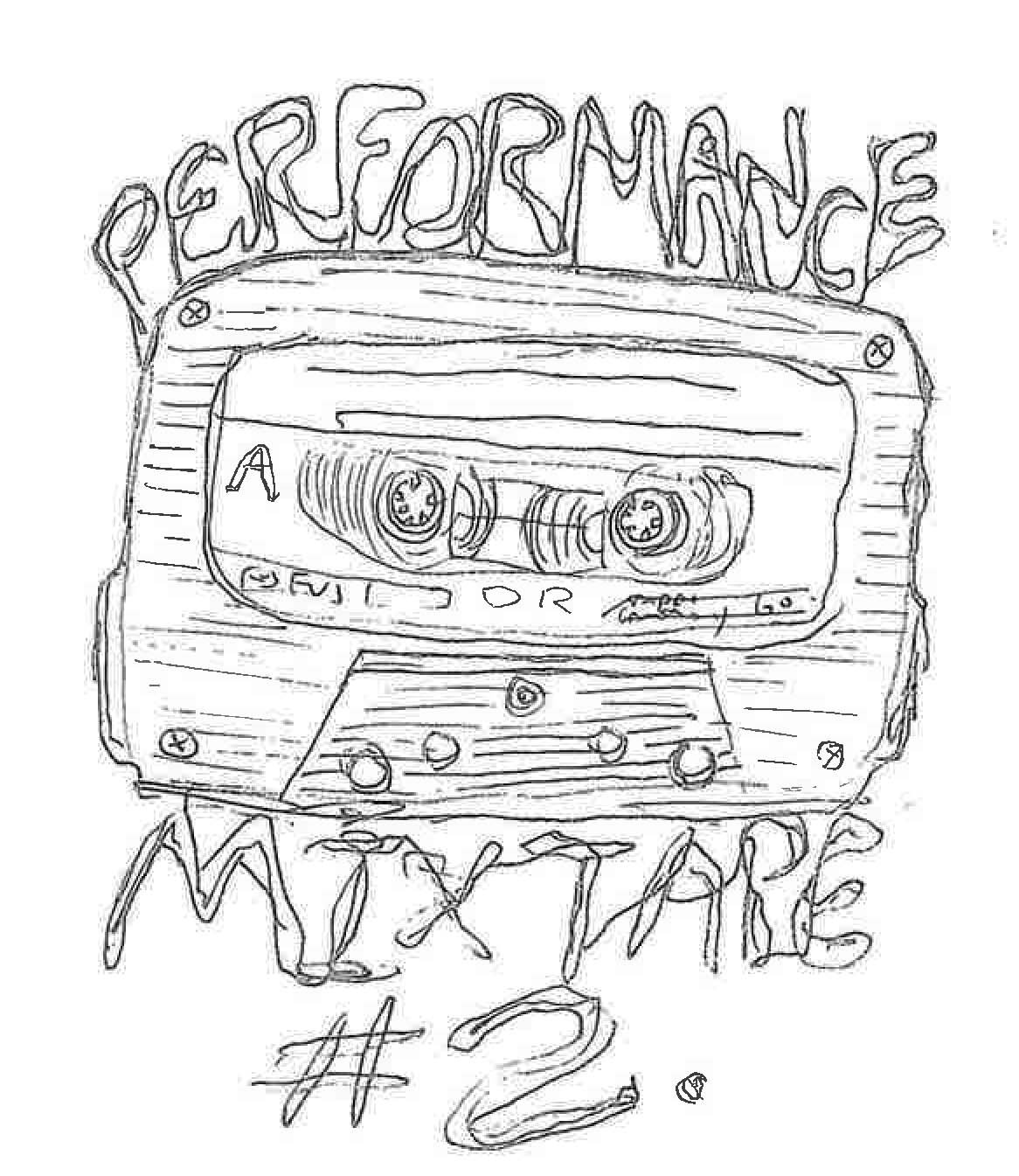
PERFORMANCE MIXTAPE #2, Saturday June 14, 7pm
-

Felipe Macia, “Practices of Place,” May 10 – June 7
-
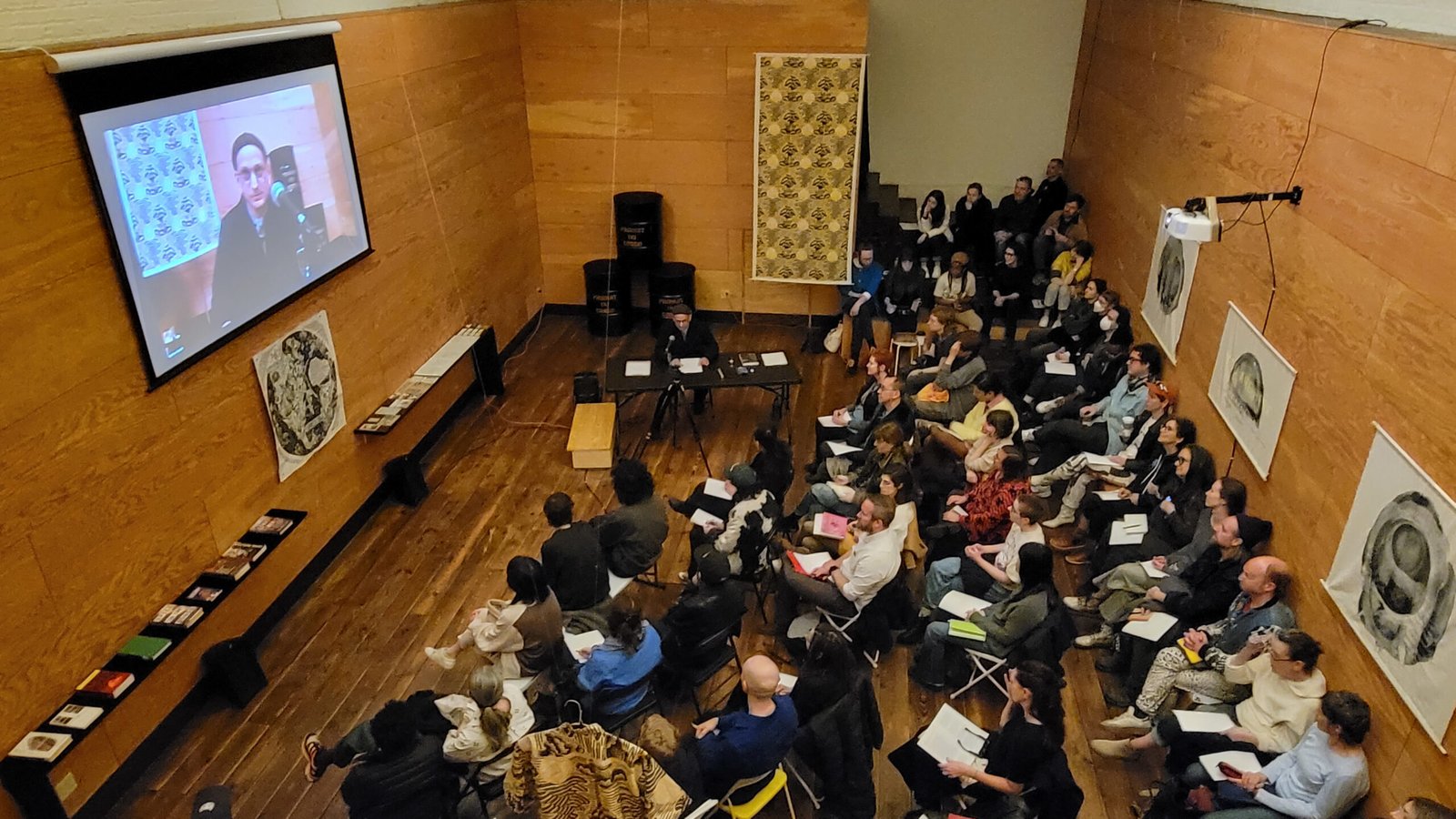
Saturday April 18: Brian Massumi in conversation with Matthew Goulish
-
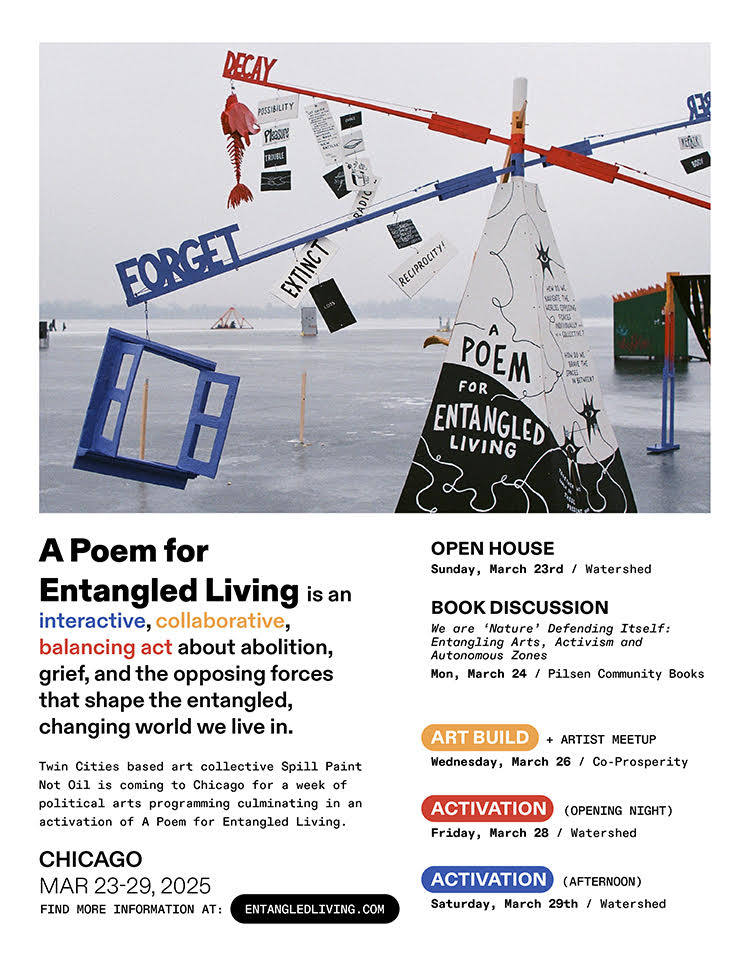
Spill Paint Not Oil: Poem for Entangled Living, March 23-29
-
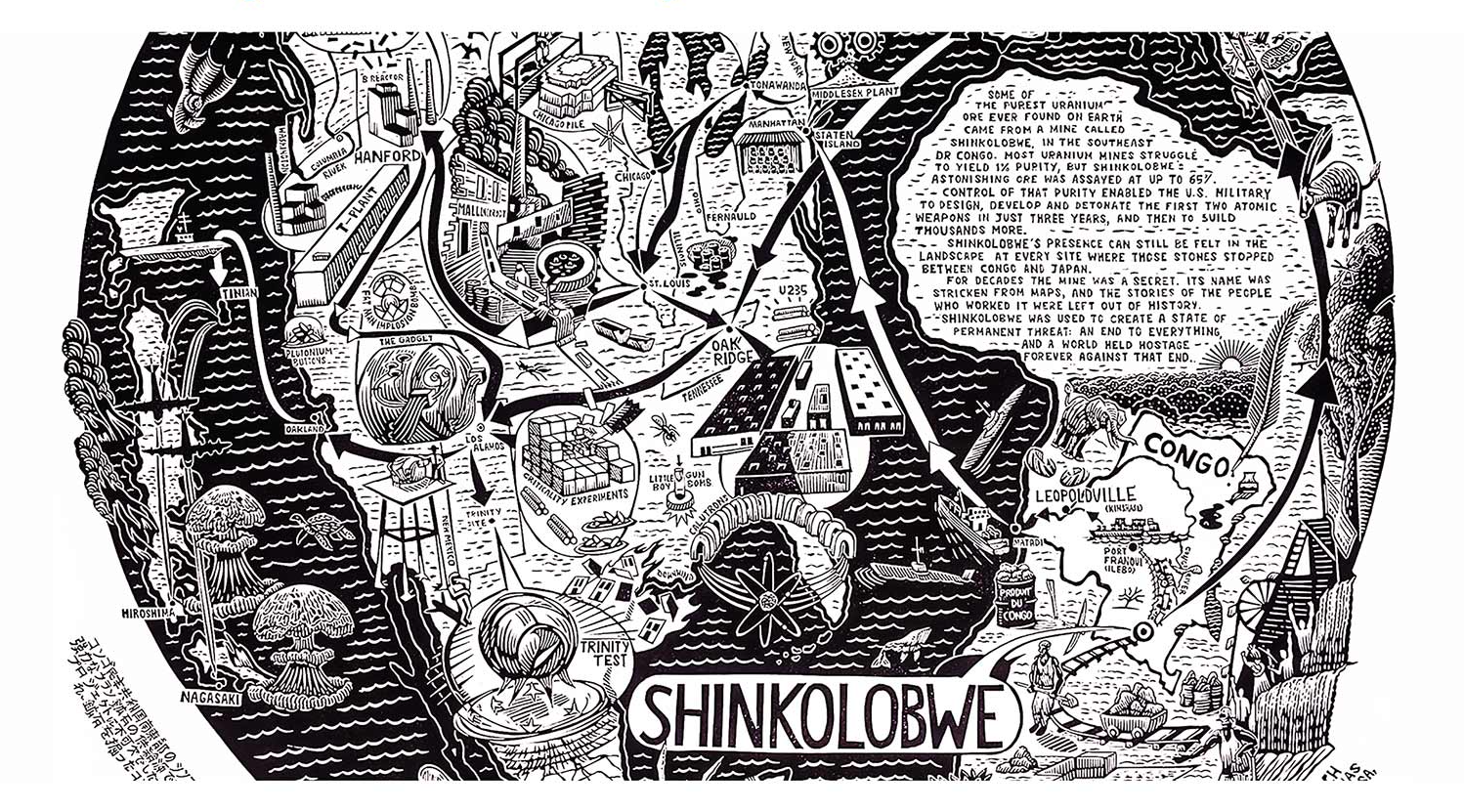
Roger Peet: Dig Up the Sun, April 12 – May 3
-
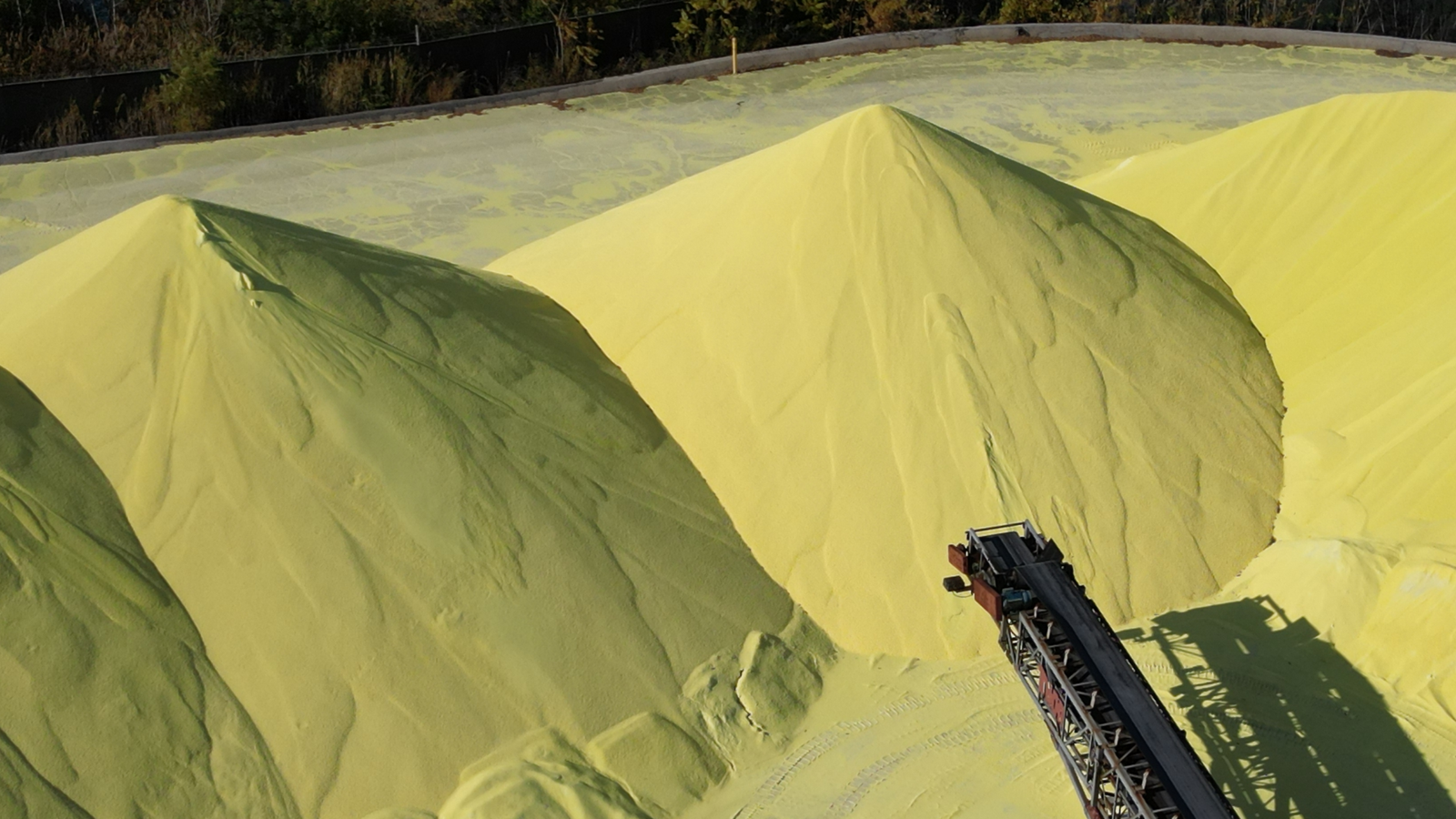
Introducing Metabolic Rift
-
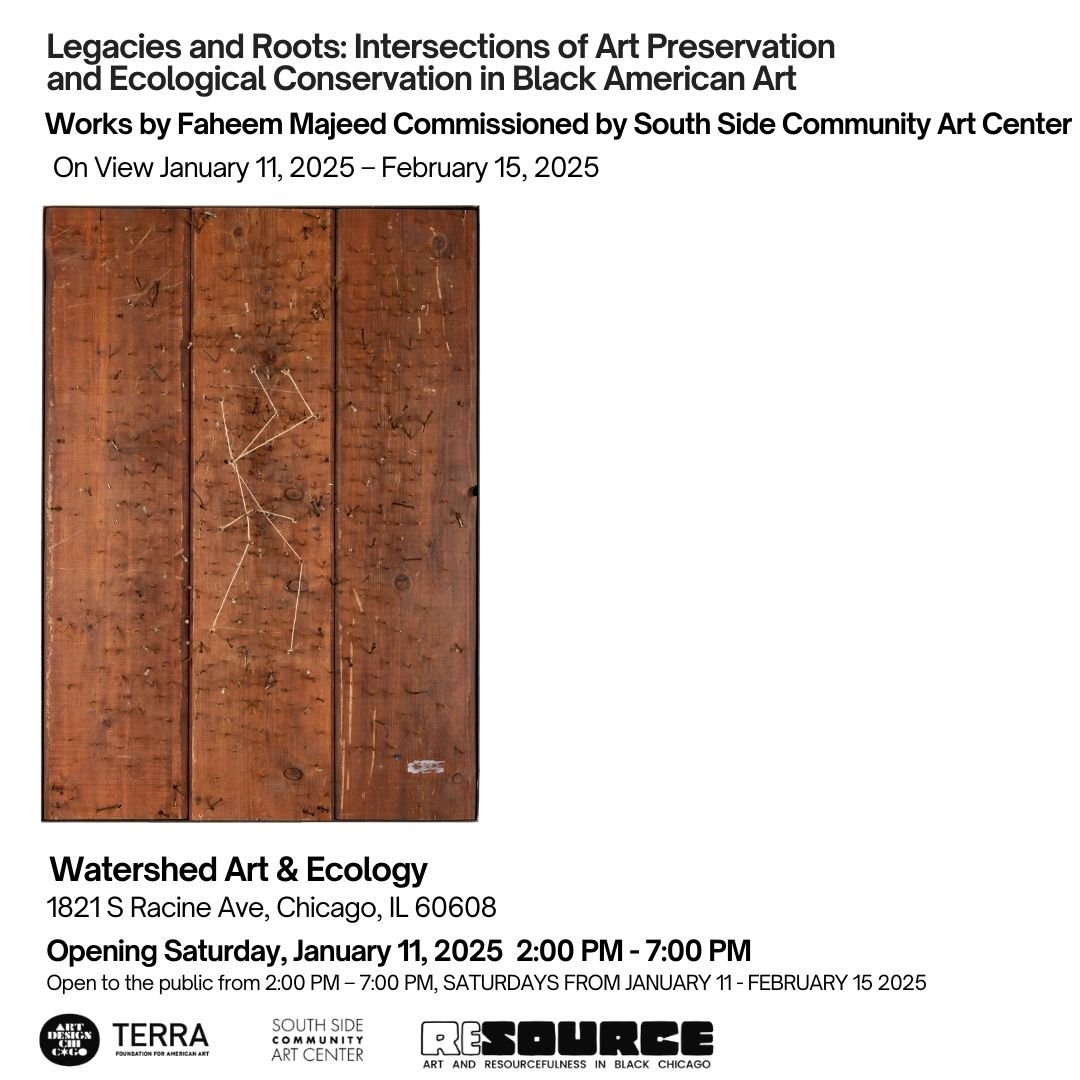
Faheem Majeed and Southside Community Art Center
-
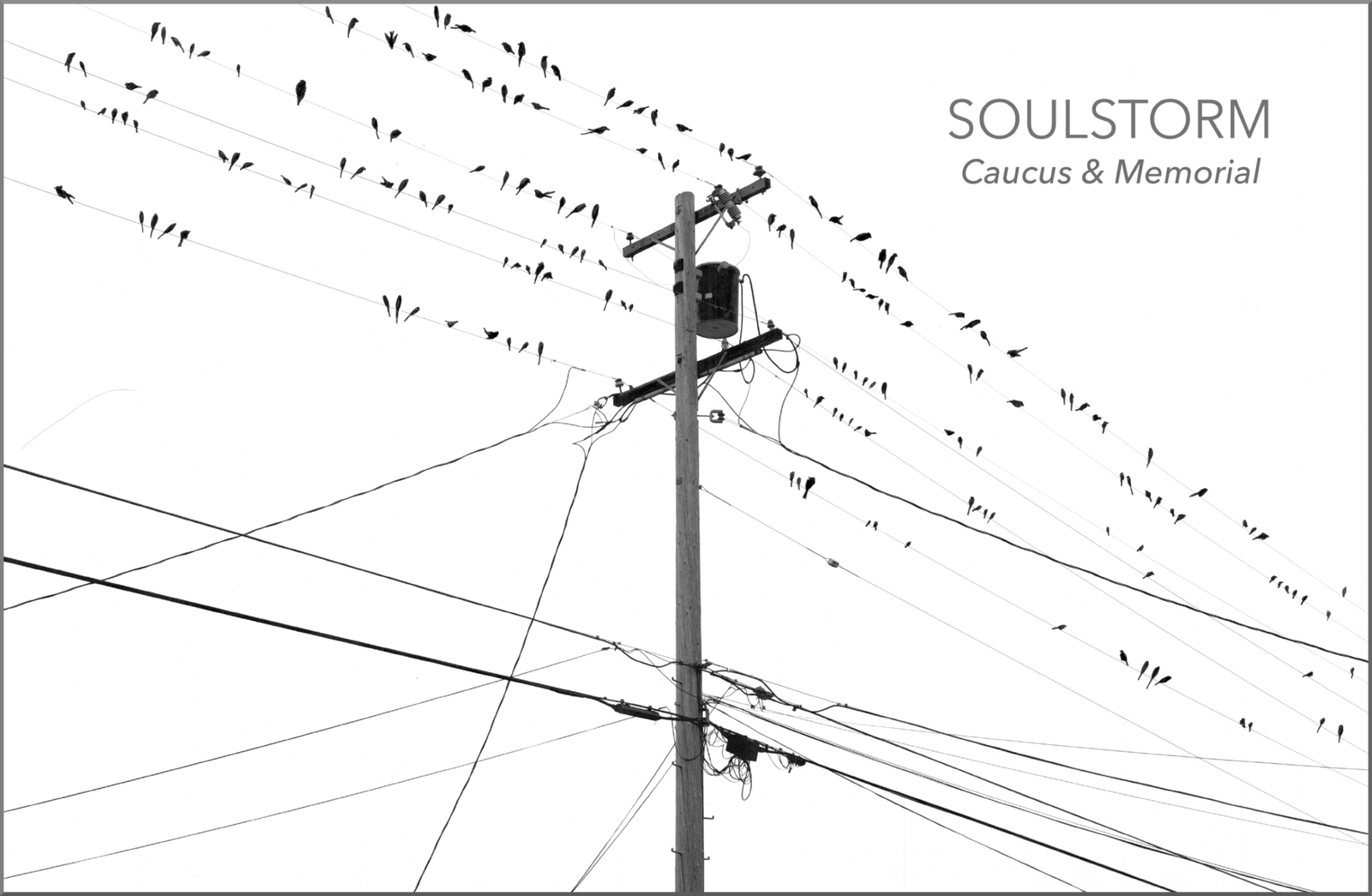
A. LAURIE PALMER
-
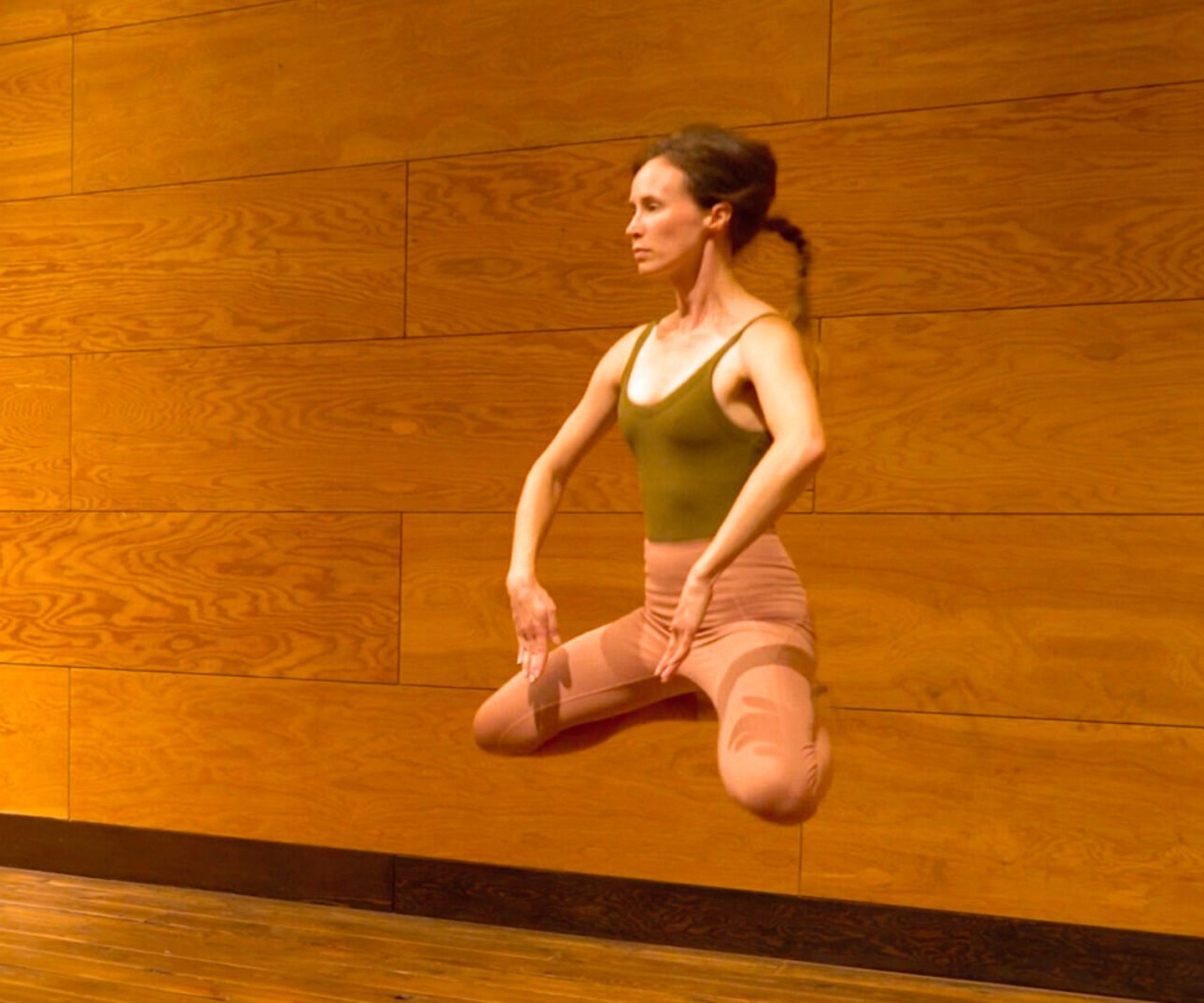
Dance performance: Elise Cowin and Josh Hoglund, June 6 – 7 – 8
-
BADS_lab – Black Arts and Decolonial Sciences, May 10 -20
-
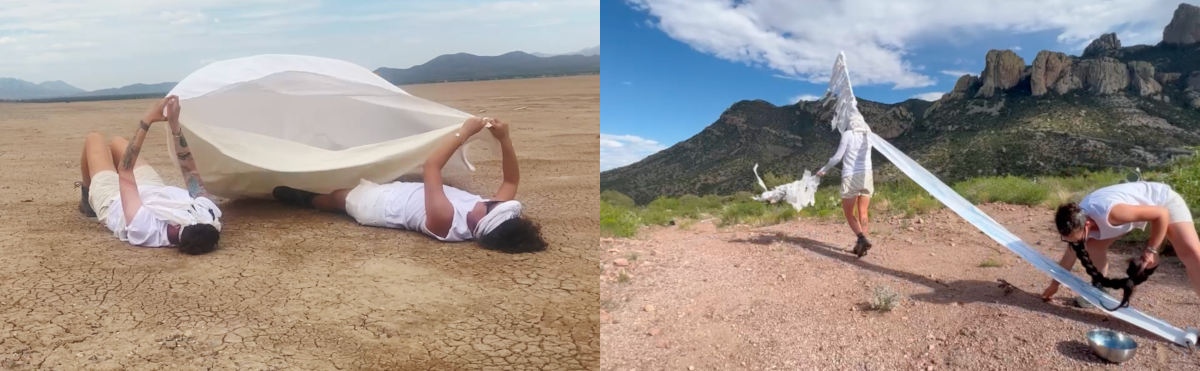
Nina Elder and Alexis Elton: Performance, Sunday, April 28, 3-5pm
-
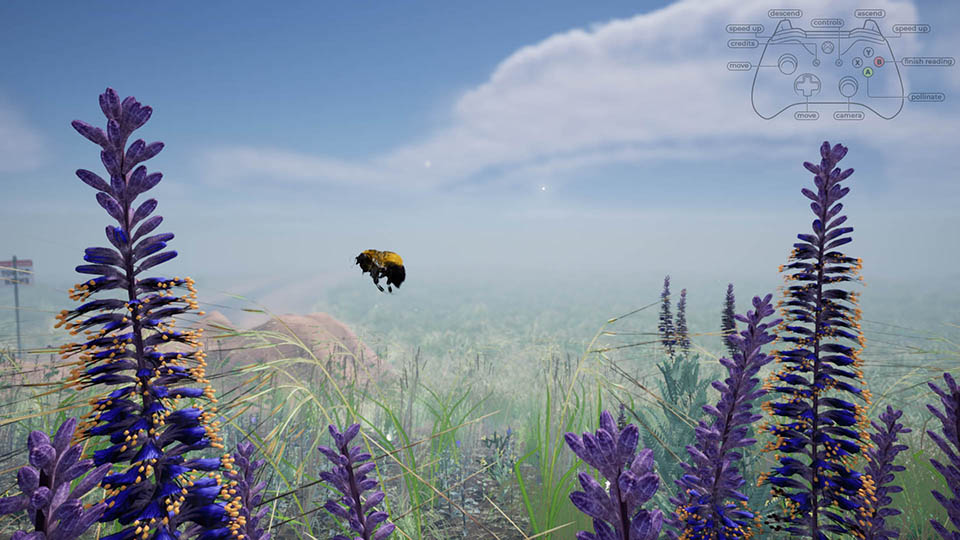
Kishwacokee Kinship: Reimagining Relatives, March 16 – April 13, 2024
-
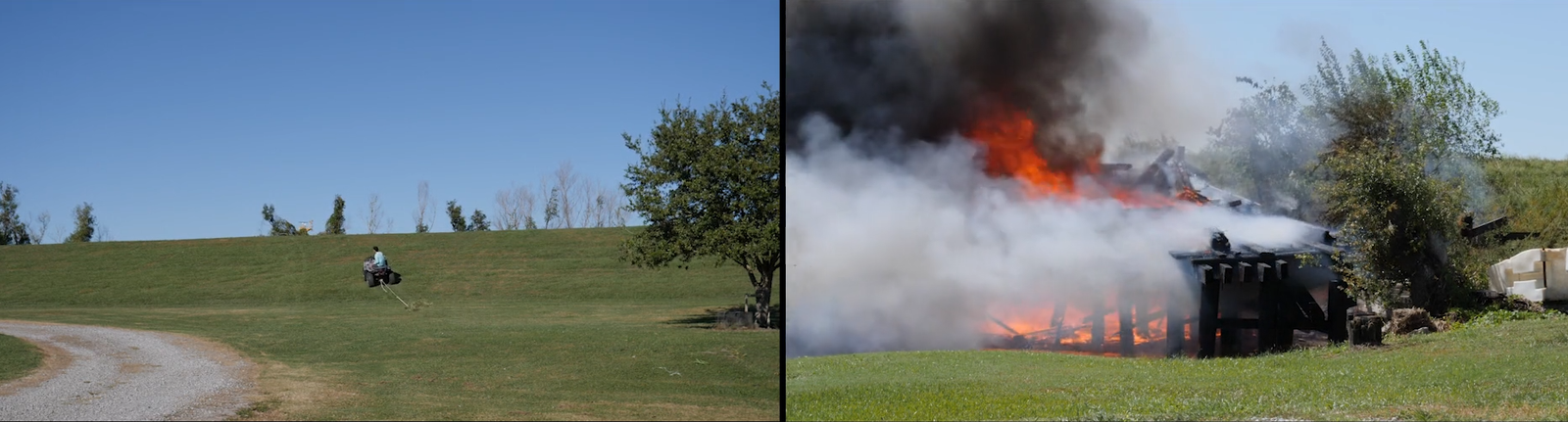
Jeremy Bolen and Brian Holmes, February 17 – March 9, 2024
-

David Nasca, Bleached Out Reef, January 13 – February 10, 2024
-

A Devil and a Witch Make a Nail, December 2 – January 6
-
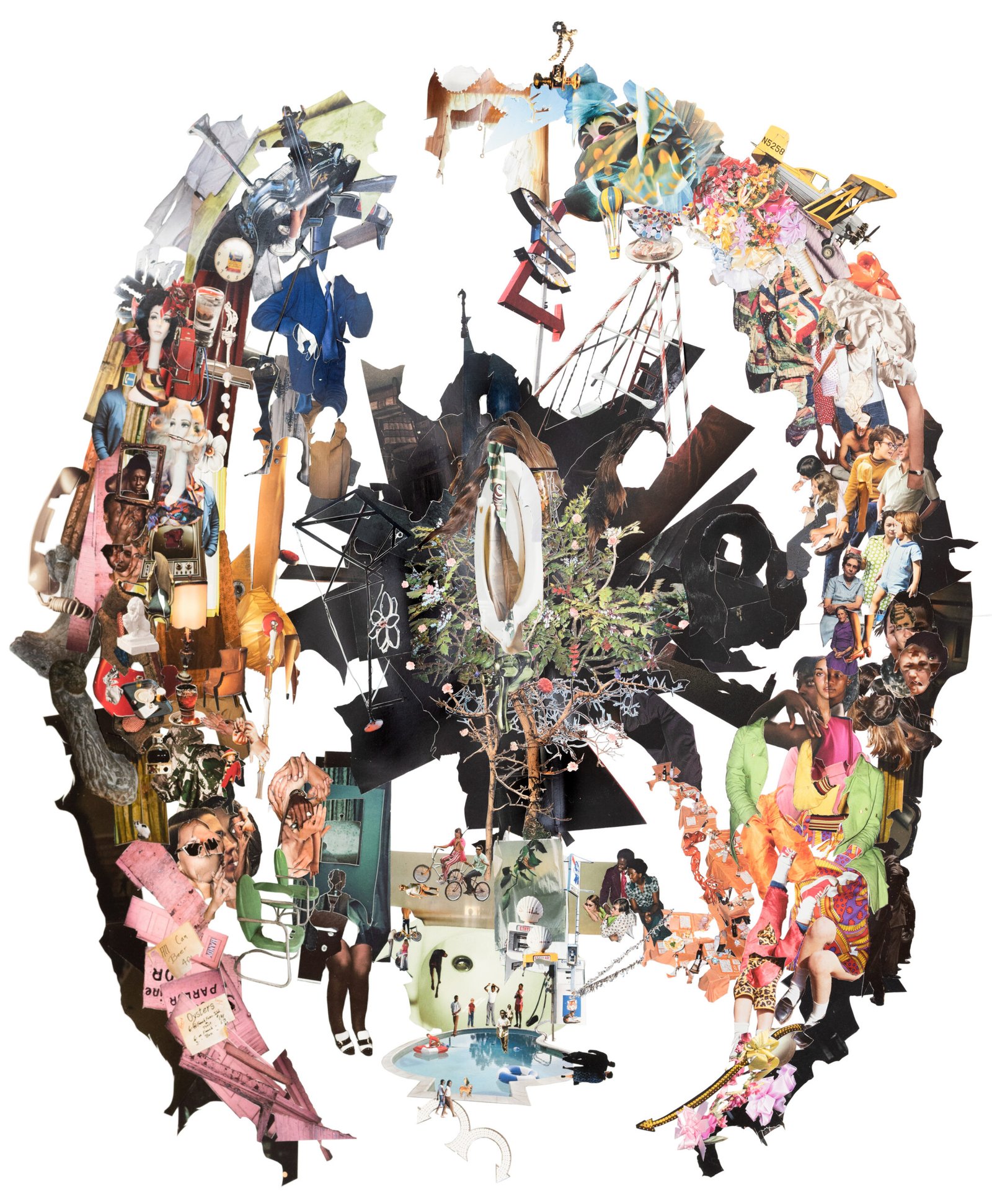
Justine Kurland: September 16 – October 21, 2023
-
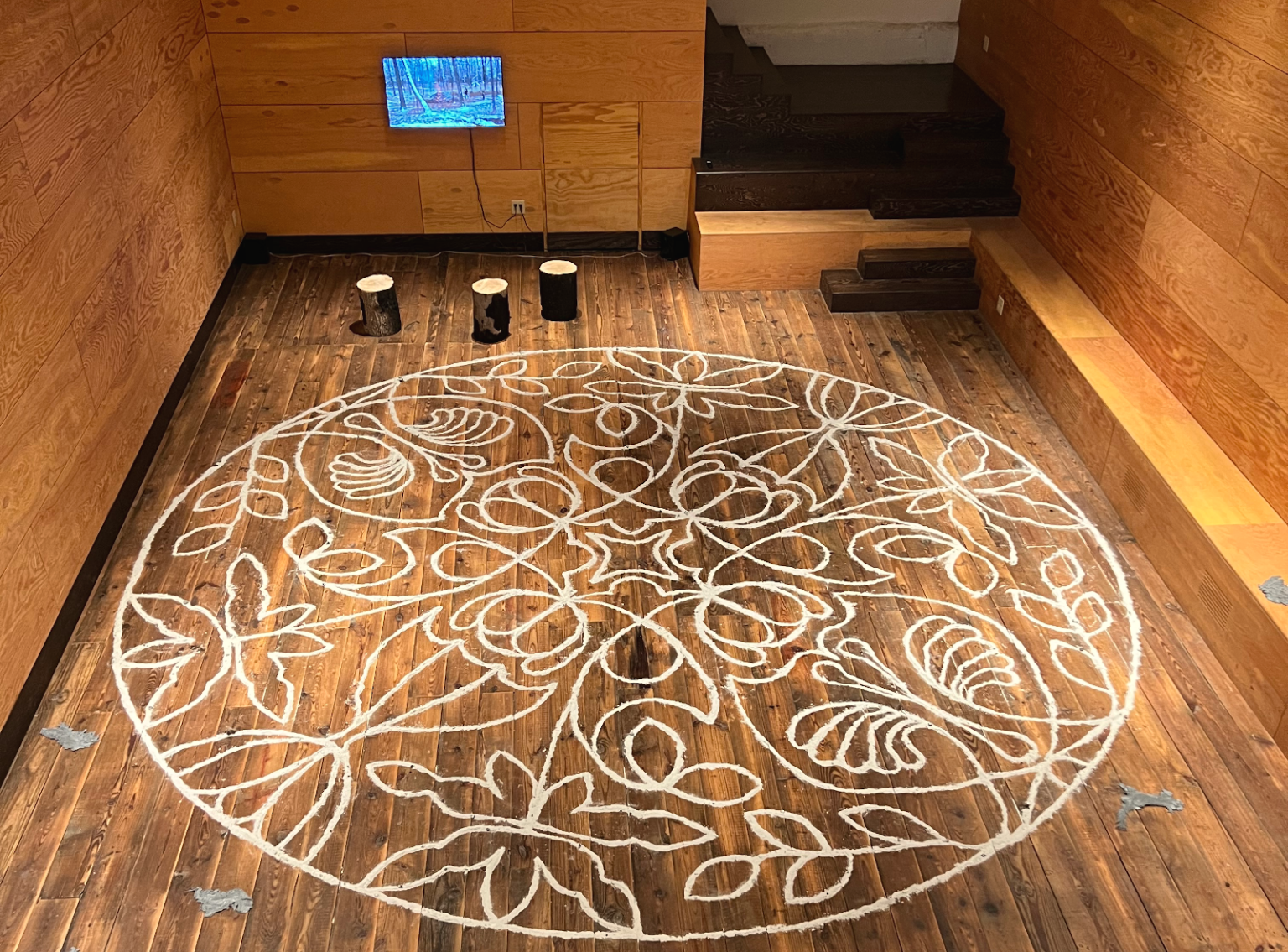
Jeanne Dunning – September 10 – October 29, 2022
-
OVERFLOW – the Mississippi in every state imaginable